 Daily Inspire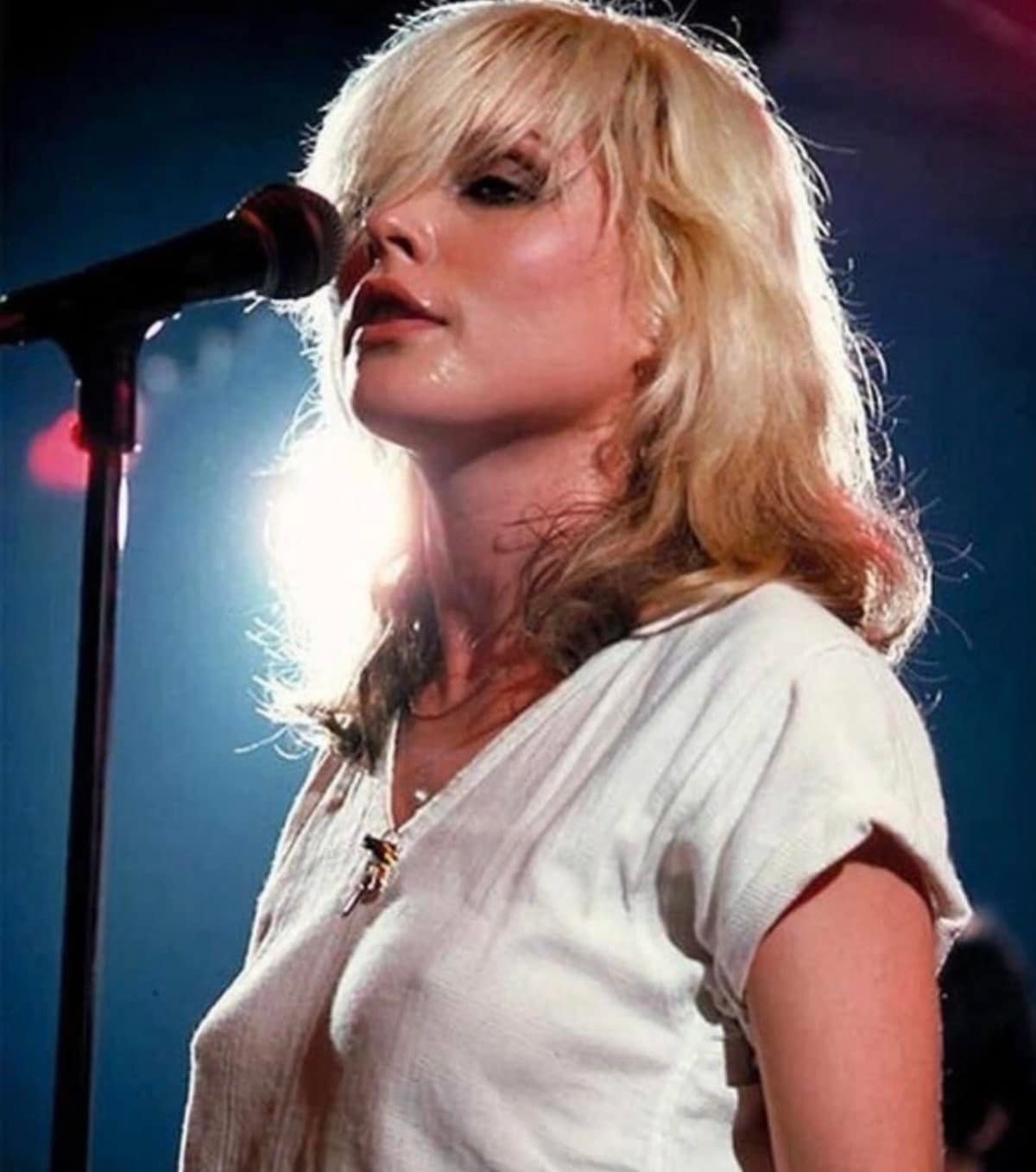
Deborah Ann Harry isn’t just a rock star—she’s a cultural phenomenon. As the lead singer of Blondie, she blended punk attitude with Hollywood glamour, creating a unique aesthetic that still inspires artists today. With her platinum blonde hair, sultry voice, and fearless stage presence, she became one of the most influential women in rock history.
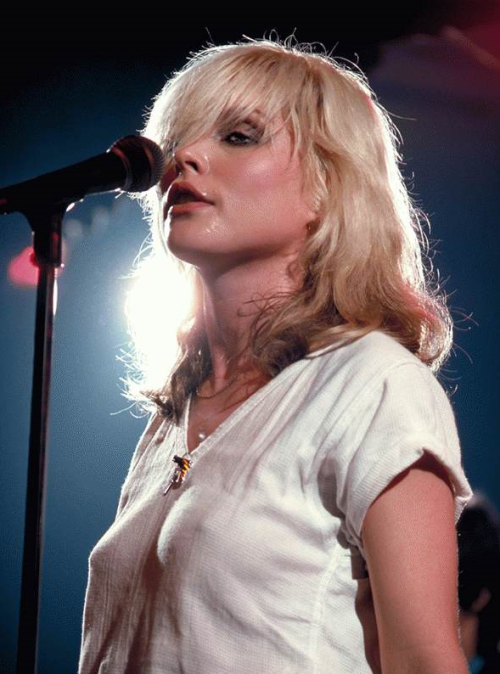
But Debbie Harry’s legacy goes beyond her chart-topping hits. She helped pioneer new wave music, broke boundaries for female artists, and carved out a career that has remained relevant for over five decades. Let’s take a closer look at her rise to fame, musical achievements, and lasting impact on the industry.
From Small-Town Dreamer to Rock Icon
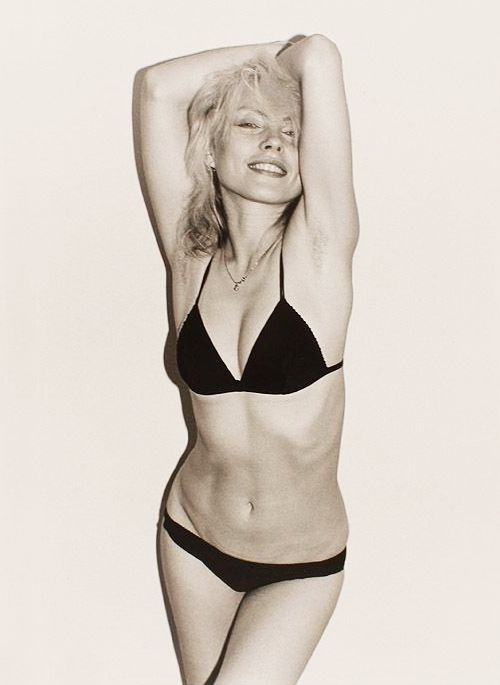
Born Deborah Ann Harry on July 1, 1945, in Miami, Florida, she was adopted by a loving family and raised in Hawthorne, New Jersey. From an early age, she knew she was destined for something bigger.
Before stepping into the world of rock ‘n’ roll, Harry worked as a waitress, secretary, and even a Playboy Bunny (long before her music career took off). But she was drawn to the New York underground music scene, where punk and new wave were beginning to emerge.
Blondie: The Birth of a Rock Revolution
In the early 1970s, Debbie Harry met Chris Stein, a guitarist and fellow artist, and together they formed Blondie. They became a staple at legendary New York clubs like CBGB, alongside bands like The Ramones, Talking Heads, and Television.
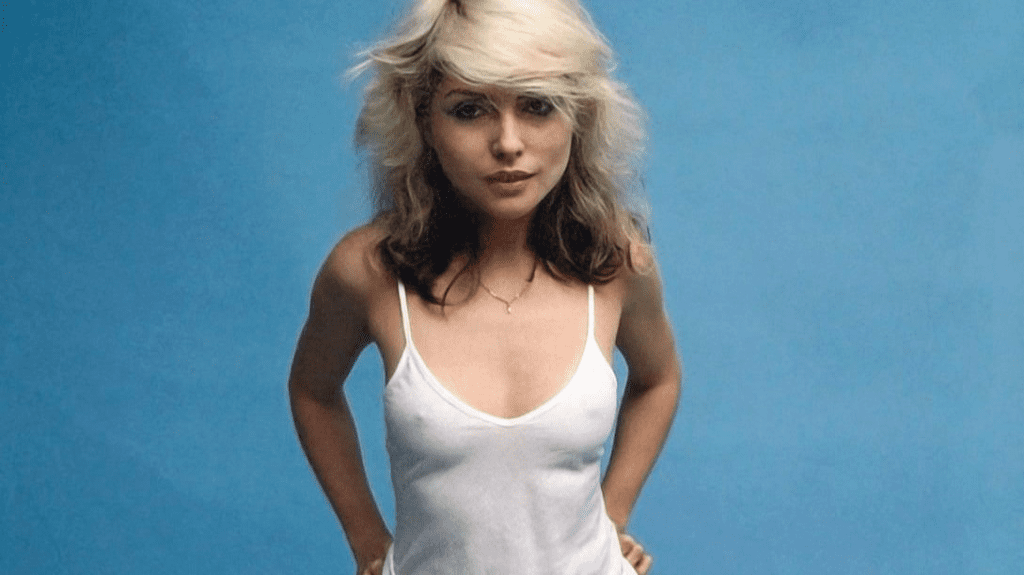
At first, Blondie was dismissed by critics, but their edgy style, infectious melodies, and Debbie’s magnetic presence made them impossible to ignore. By the late ‘70s, the band had skyrocketed to mainstream success, blending punk, disco, and pop in a way no one had done before.
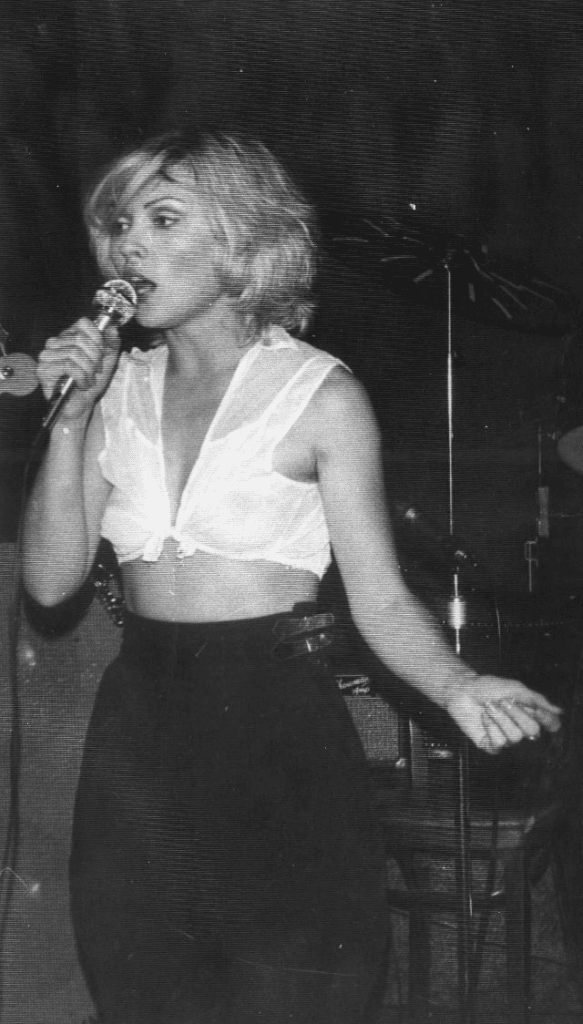
Blondie’s Biggest Hits: Songs That Defined a Generation
Blondie became one of the most innovative and commercially successful bands of the era. Some of their most iconic songs include:
- “Heart of Glass” (1978) – This disco-infused track became an instant hit, showcasing Debbie’s hypnotic voice and the band’s knack for blending genres.
- “Call Me” (1980) – A high-energy anthem written for the film American Gigolo, it became one of Blondie’s biggest singles.
- “Rapture” (1981) – A groundbreaking song that made history as the first rap-influenced track to hit No. 1 on the Billboard charts.
- “One Way or Another” (1978) – A raw, energetic song that perfectly captured the band’s punk roots.
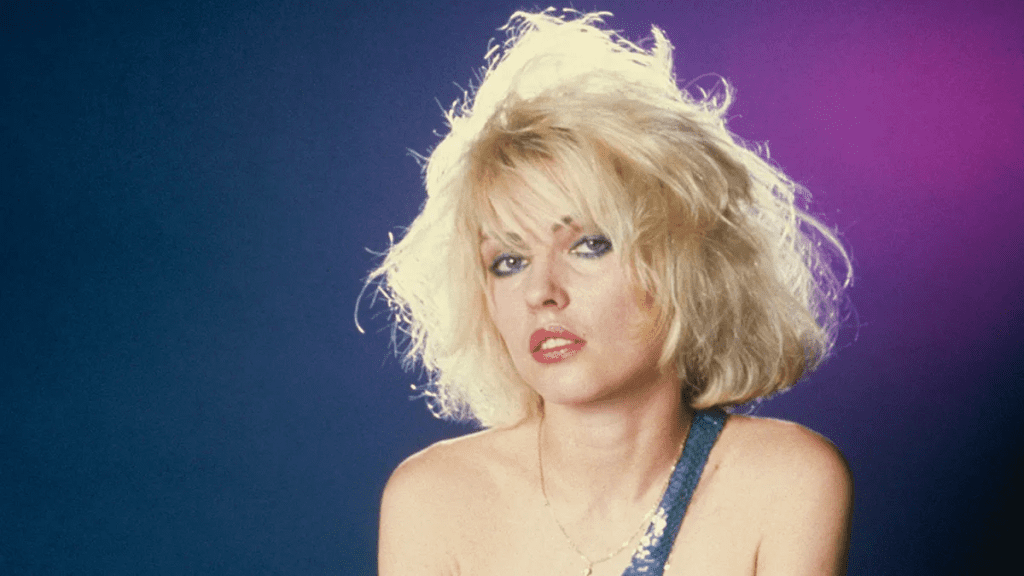
Blondie’s success wasn’t just about the music—it was about attitude, fashion, and breaking rules. Debbie Harry became the face of punk rock chic, combining street style with Hollywood glamour in a way that had never been seen before.
Debbie Harry: The Ultimate Fashion and Feminist Icon
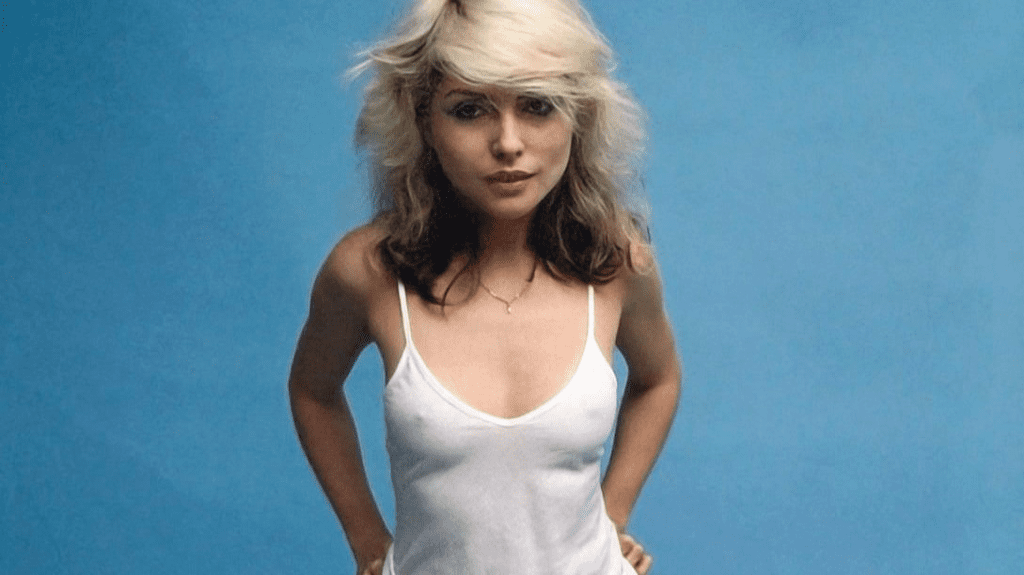
Debbie Harry wasn’t just a musician—she was a style pioneer. Her look was a mix of gritty punk rebellion and Old Hollywood elegance, inspiring generations of musicians, models, and designers.
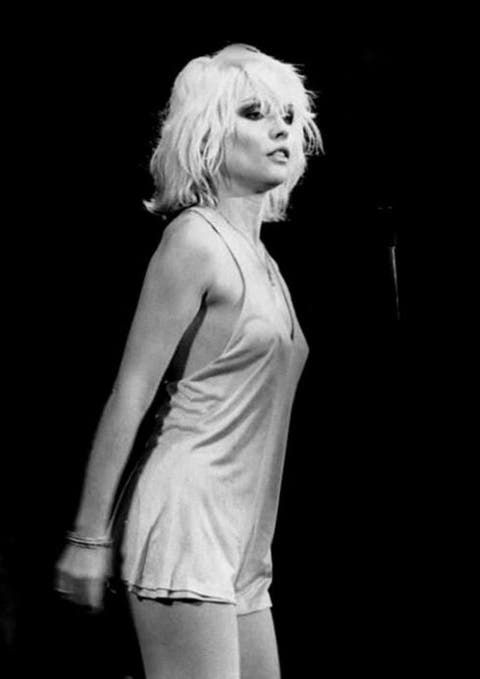
With her platinum blonde hair, dramatic eye makeup, and DIY fashion, she embodied an effortless cool that still influences today’s artists, from Lady Gaga to Gwen Stefani.
But more importantly, she was a fierce, independent woman in a male-dominated industry. She didn’t just sing—she owned the stage, proving that women could be just as powerful, rebellious, and innovative as their male counterparts.
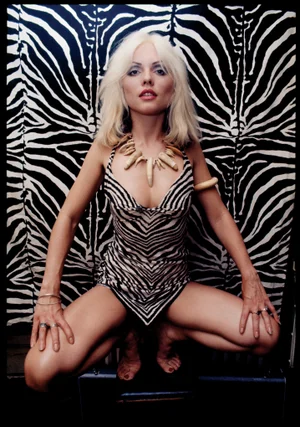
Beyond Blondie: A Solo Career and Acting Ventures
After Blondie’s initial breakup in 1982, Debbie Harry pursued a successful solo career. While she never quite matched Blondie’s commercial success, she continued to create music that was bold, experimental, and uniquely hers.
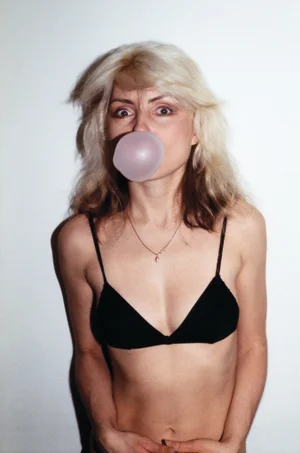
She also made a name for herself in Hollywood, appearing in films like:
- Videodrome (1983) – A dark, mind-bending thriller directed by David Cronenberg.
- Hairspray (1988) – Playing Velma Von Tussle in John Waters’ cult classic.
- Cop Land (1997) – Starring alongside Robert De Niro and Sylvester Stallone.
Harry has continued to act throughout the years, proving she’s not just a rock star—she’s a multifaceted artist.
The Blondie Comeback: Proving Legends Never Fade
Blondie reunited in the 1990s, proving that great music never goes out of style. Their 1999 album No Exit featured the hit single “Maria,” which became a global success.
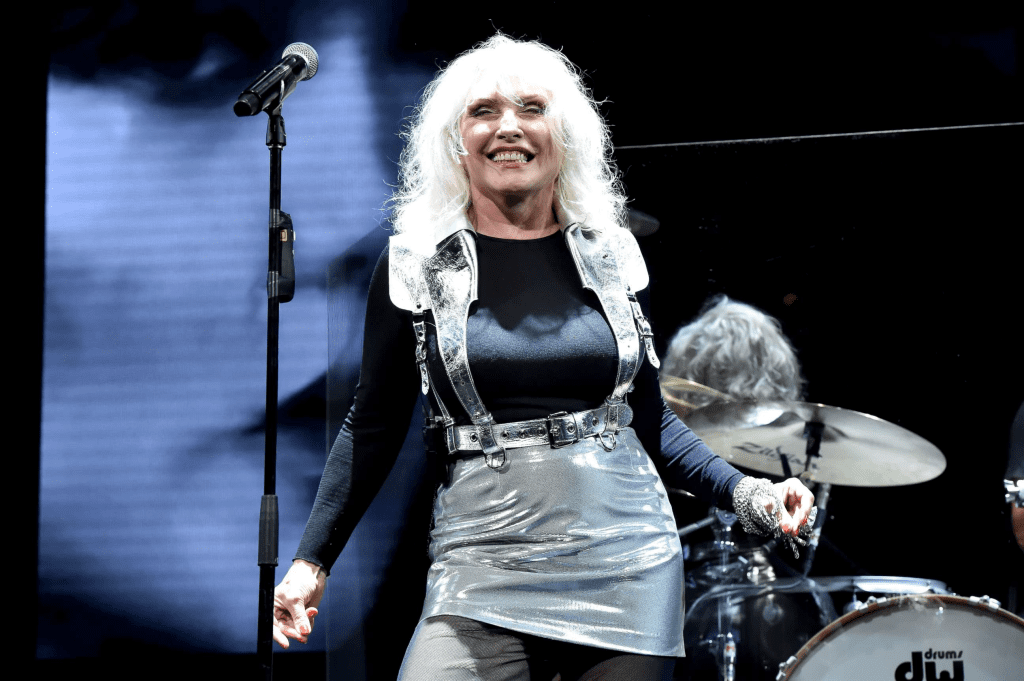
The band continued to release new music and tour worldwide, proving that Debbie Harry’s star power is as strong as ever.
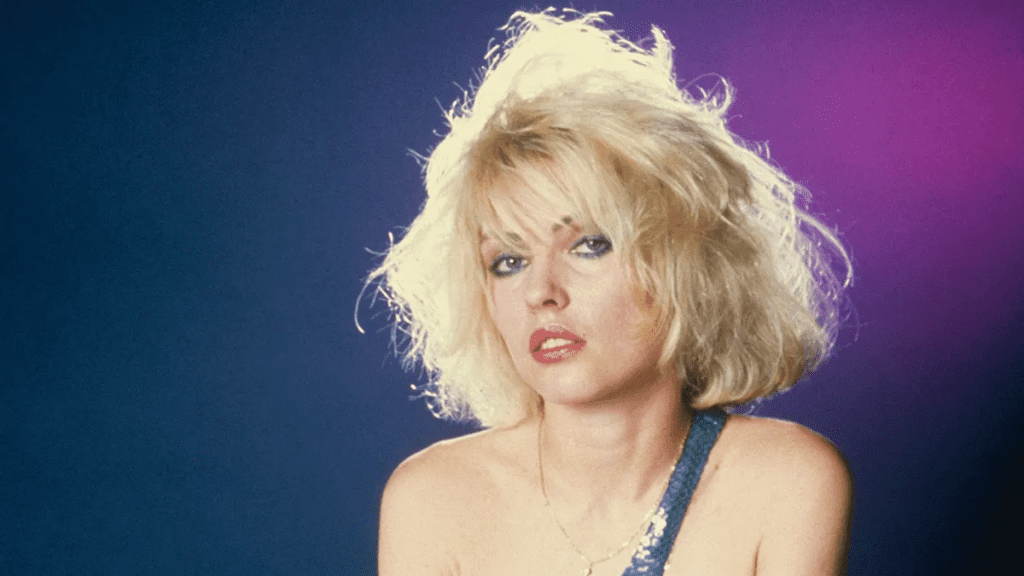
In 2006, Blondie was inducted into the Rock and Roll Hall of Fame, cementing their place in music history.
Debbie Harry’s Lasting Legacy
Few artists can claim the kind of impact and longevity that Debbie Harry has had. She didn’t just help define punk and new wave—she redefined what it meant to be a female artist in rock music.
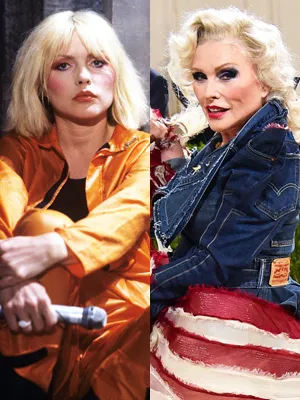
Her influence can be seen in countless artists, from Madonna and Cyndi Lauper to modern-day stars like Miley Cyrus and Billie Eilish.
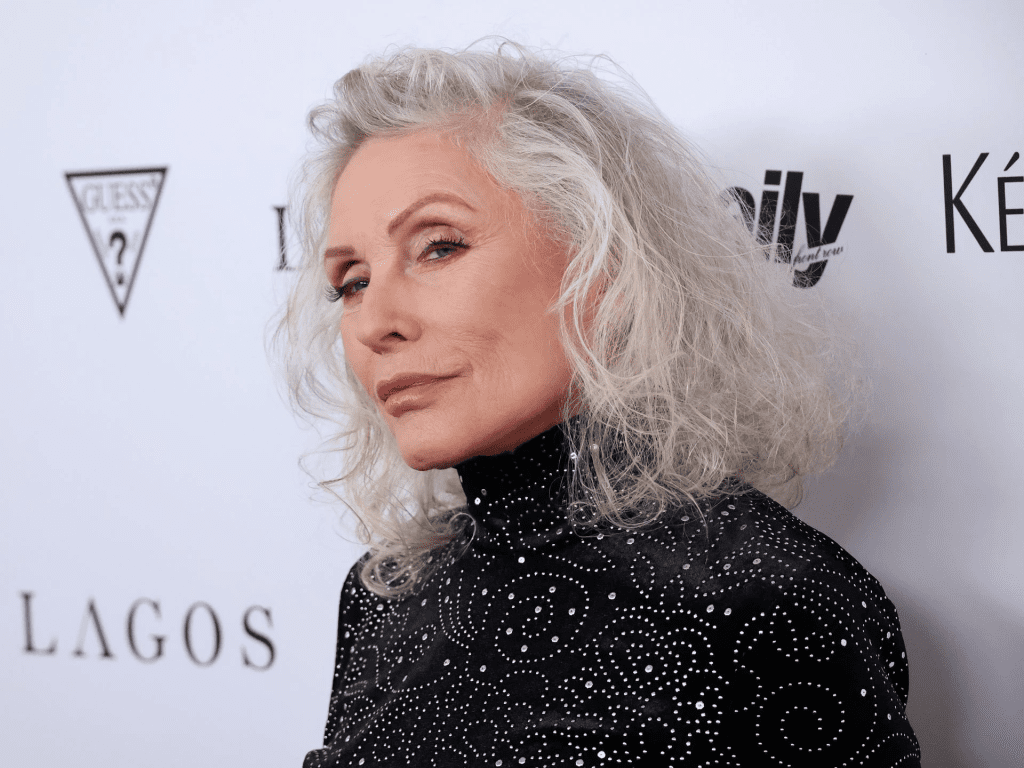
Even in her late 70s, Debbie Harry continues to perform, create, and inspire new generations of musicians and fans.
Conclusion: A True Rock ‘n’ Roll Legend
Deborah Harry isn’t just a rock star—she’s a cultural icon. From fronting one of the most groundbreaking bands of all time to paving the way for women in music, her influence is immeasurable.
With her fearless style, unmistakable voice, and rebellious spirit, Debbie Harry remains one of the most legendary figures in music history. And even decades after her rise to fame, her impact is stronger than ever.

 Daily Feed