 Daily Feed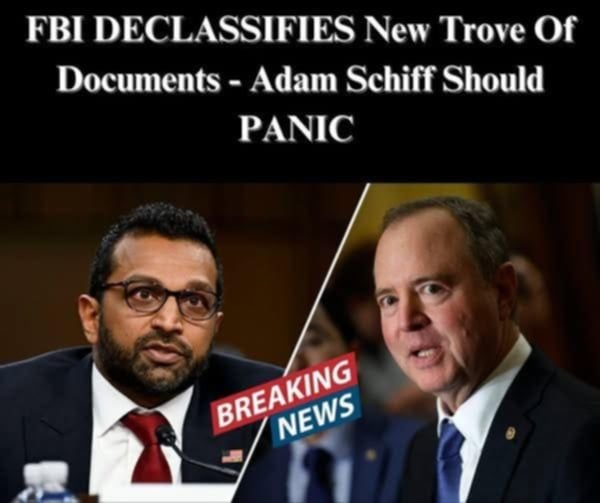
In a bold move that has sent ripples through Washington and the broader political landscape, President Donald Trump signed a sweeping presidential memorandum on Tuesday directing the immediate declassification of all FBI files related to the controversial Crossfire Hurricane investigation.
This probe, launched in July 2016 under the Obama administration, examined alleged connections between Trump’s presidential campaign and Russian officials.
Trump has repeatedly characterized the investigation as politically motivated and corrupt—a “weaponization” of government power that, according to him, never should have occurred in the United States.
White House Staff Secretary Will Scharf, who presented the memorandum for Trump’s signature, confirmed that the directive requires federal agencies to release nearly all documents tied to the Crossfire Hurricane investigation.
The only exception, Scharf noted, involves a separate annex containing remaining classified materials. “Other than that, this will put everything in the public eye,” he said.
In addition to declassifying these files, President Trump used the same meeting to grant a pardon to Devon Archer, Hunter Biden’s former business associate and a whistleblower who had testified before Congress regarding the Biden family’s foreign business dealings.
Archer, previously convicted in a securities fraud case, was allegedly treated unfairly, according to Trump and his supporters.
These actions—declassification and pardon—represent significant departures from previous practices and underscore Trump’s commitment to reinterpreting key elements of the 2016 election investigation and its aftermath.
In the following sections, we explore the origins and controversies surrounding the Crossfire Hurricane investigation, the legal and political motivations behind the declassification order, the details and context of Devon Archer’s pardon, and the broader implications of these decisions for transparency, accountability, and the balance of power in American politics.
