 Daily Posts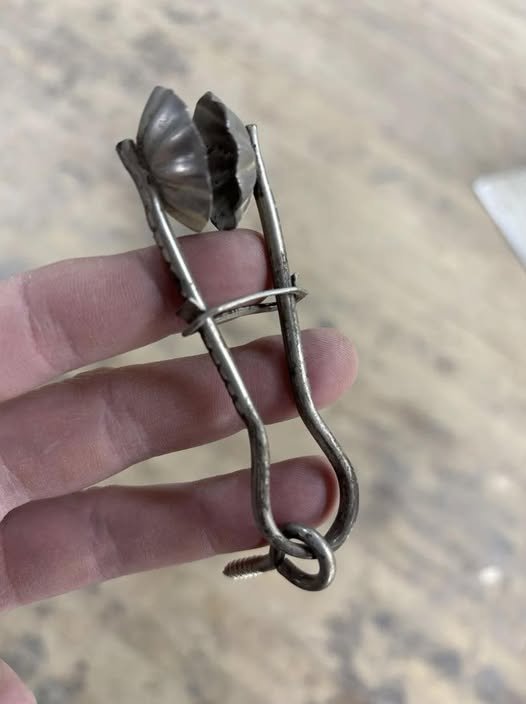
Some of the biggest stories are told by the smallest objects. If you’ve ever thumbed through an antique shop or the rooms of a ramshackle old home, you’ve no doubt spotted a few quirky tools. They stopped me in my tracks and made me wonder, “What was this for?” I felt the same way when I fell in love with an antique kitchen towel clamp. It is a small, unassuming gadget of yore that, once upon a time, was a big part of the kitchen before convenience took hold.
What Is an Antique Kitchen Towel Clamp, Anyway?
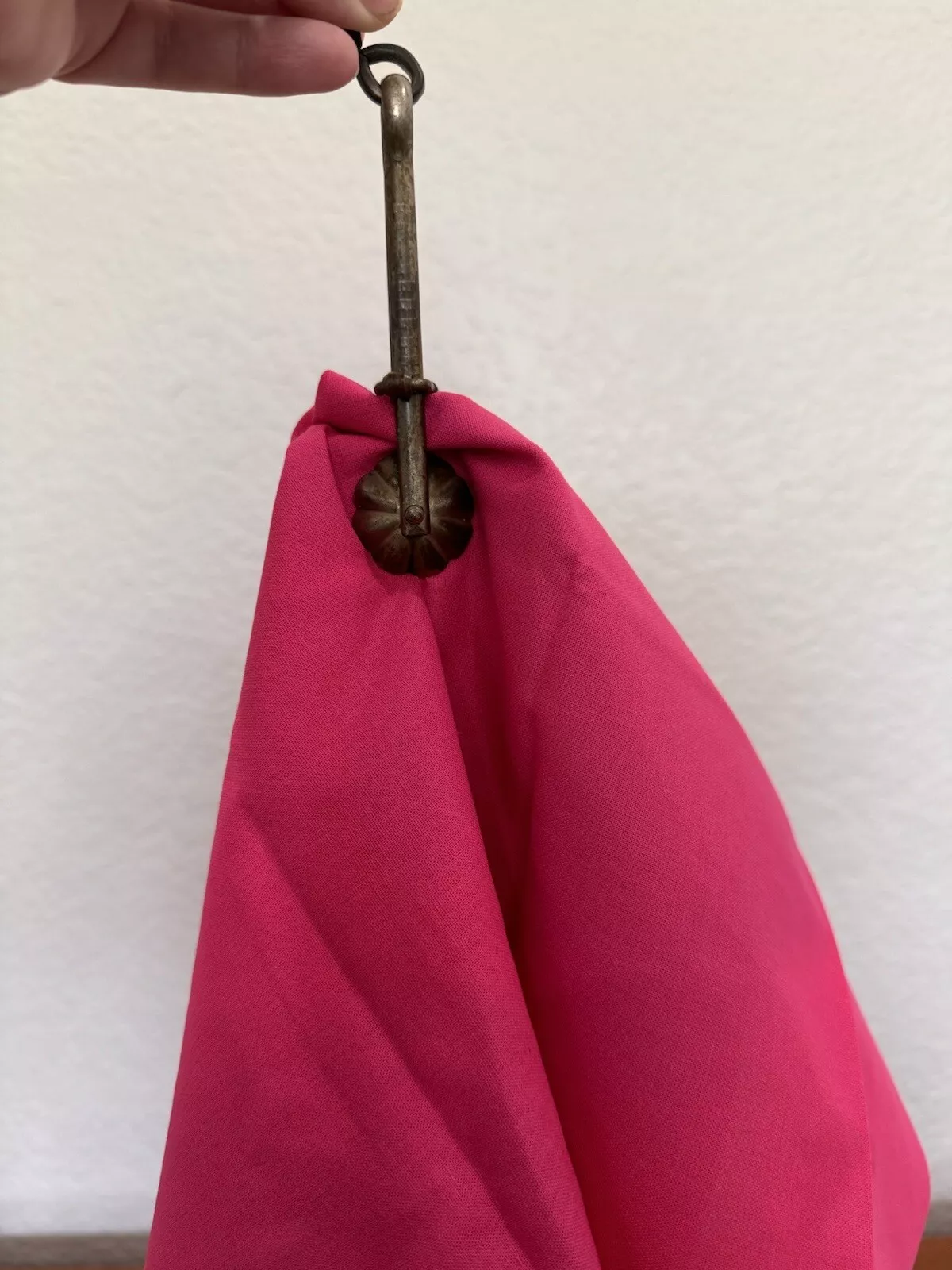
It may not seem like much at first: a spring-loaded metal clamp, often 4 inches long or less, with jaws that open and close as you press the arms together. But in the early 1900s, this was a kitchen mainstay. Screwed into a wall, they held hand towels in an era when fabric-only towels were a thing.
You would find these clamps near sinks or stoves, say, where towels needed to be accessible. They gripped towels securely, keeping them off the floor and at the ready for drying, spills or hot pots.
A Peek inside Historical Kitchens
It’s difficult to picture a time when paper towels and modern dish racks didn’t exist, but for previous generations, the kitchen prioritized one thing: practicality. Towels were key — and having them clean and in arm’s reach was a must. That’s where the vintage kitchen towel clamp came into play.
Unlike today’s sleek towel bars or decorative hooks, these were purely utilitarian clamps. But there is something lovable about their design — robust, no-frills and built to last. Some had even more subtle flourishes, decorative etching or a pleasing patina, adding personality to a purely practical tool.
Why They’re Gaining New Fans
These towel clamps are experiencing a moment right now. Collectors adore their simplicity and the snapshot they give of how kitchens once worked. But even apart from their nostalgia-inducing charm, these clamps are incredibly versatile.
Put one in your kitchen, and it’s an instant conversation piece. Use it to store towels, but also lightweight aprons or small linens. Or, remove it from the kitchen altogether — picture it in a craft room holding fabric, or in a bathroom for hand towels. It’s a snippet of history that can still hold its own in contemporary homes.

 Daily Feed