 Daily Inspire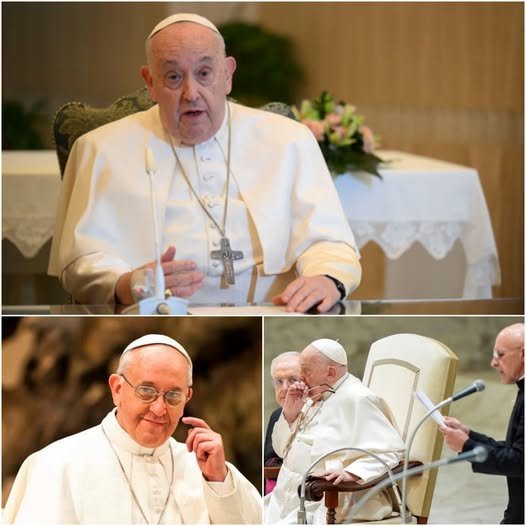
Pope Francis, the 266th pope of the Roman Catholic Church, has passed away at the age of 88. The Vatican confirmed the news, marking the end of a historic and transformative papacy that left an indelible mark on the global Catholic community and the world at large. His death comes after a period of declining health that had raised concerns among followers and the faithful, but it is still a shocking moment for many who admired his leadership and vision for the Church.
Born Jorge Mario Bergoglio in Buenos Aires, Argentina, Pope Francis was elected as the head of the Catholic Church in March 2013, becoming the first pope from the Americas and the Southern Hemisphere. His appointment was met with excitement and anticipation as he became the first Jesuit pope in history. From the beginning of his papacy, Pope Francis made a name for himself with his humility, simplicity, and commitment to addressing the issues of social justice, poverty, and inequality.

A Humble Pope with a Vision for Change
Pope Francis’s papacy was defined by a series of bold and visionary initiatives. He made a deliberate effort to bring the Catholic Church closer to ordinary people, particularly the marginalized and those on the fringes of society. His teachings emphasized mercy, inclusivity, and the importance of compassion in addressing global issues such as migration, climate change, and the refugee crisis. He was known for his deep concern for the environment, urging global leaders to take decisive action on climate change through his encyclical “Laudato Si’.”
In his early years as pope, Francis took significant steps to reform the Vatican, focusing on transparency and accountability. His efforts to address the Church’s handling of sexual abuse scandals were met with mixed reactions, but his actions were seen by many as a step toward healing the wounds of the Church. Despite facing significant challenges, Pope Francis remained steadfast in his mission to revitalize the Catholic Church and make it more relevant in the modern world.
Legacy of Compassion and Outreach
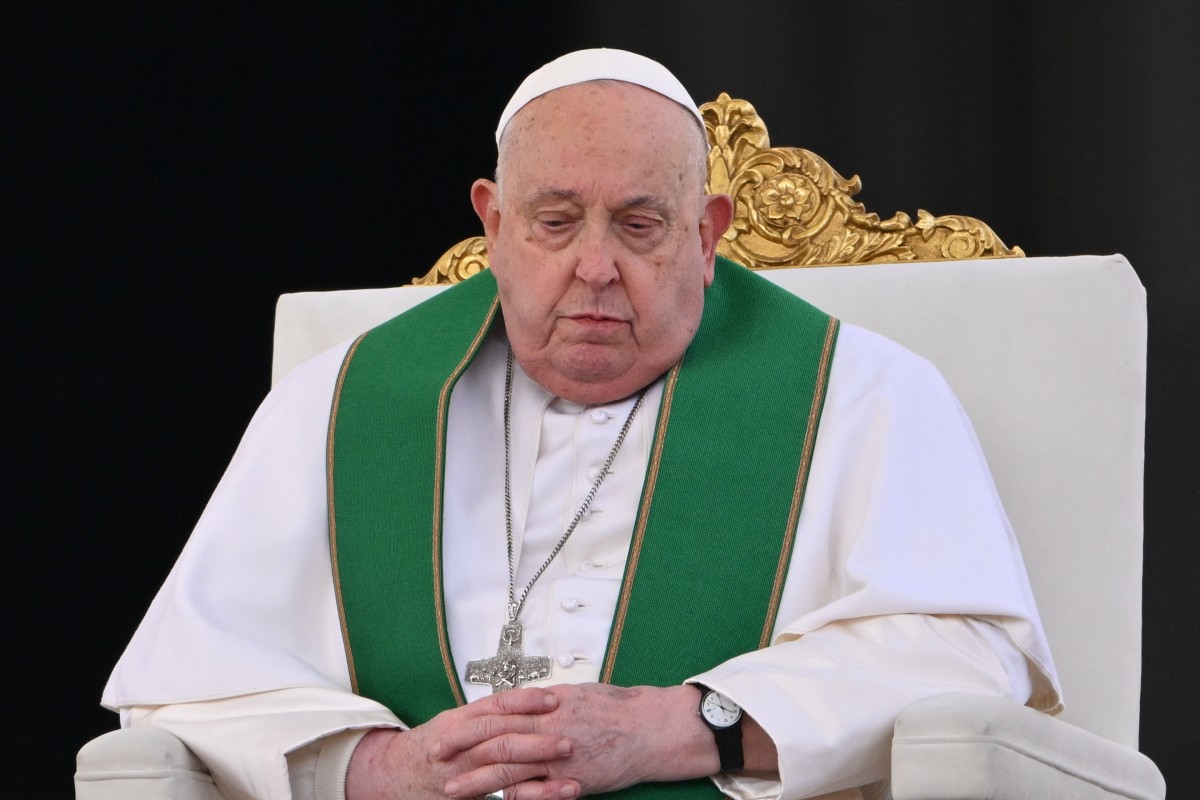
Pope Francis’s approach to the role of the pope was grounded in his desire to be a pastor who reached out to others rather than simply a figurehead. He was known for his personal warmth and his willingness to engage with people from all walks of life. From his visits to war-torn regions to his public statements on peace and justice, Pope Francis demonstrated a deep commitment to the values of love, humility, and forgiveness.
One of his most defining moments came in 2013 when he washed the feet of prisoners at a juvenile detention center in Rome, a gesture that symbolized his commitment to serving the poor and oppressed. His travels to various countries, including his historic visits to Cuba, the United States, and the Holy Land, reinforced his message of peace, reconciliation, and dialogue between different faiths.
Pope Francis also emphasized the importance of interfaith dialogue, building bridges with leaders of other religions and advocating for peace and understanding in a divided world. His call for the protection of religious minorities, especially Christians in the Middle East, resonated with people of all faiths, further cementing his legacy as a leader for peace.
Health Decline and Final Days
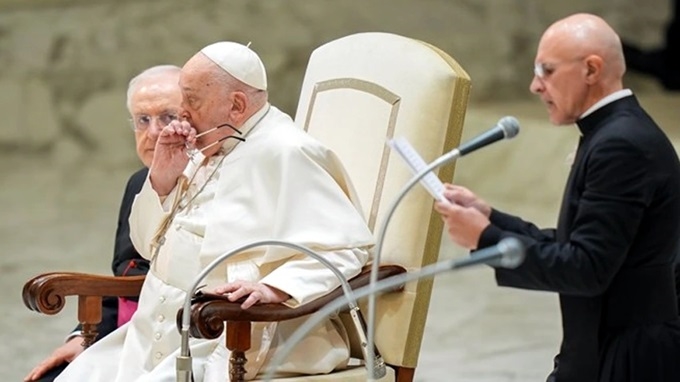
In the years leading up to his death, Pope Francis faced increasing health challenges, including difficulties with mobility and recurring knee problems. Despite these issues, he continued to serve in his role with dedication and resilience, though his public appearances became less frequent. In recent months, reports of his declining health became more frequent, with speculation growing about how much longer he could continue his papal duties.
Pope Francis’s death has prompted an outpouring of tributes from around the world. Leaders, religious figures, and millions of Catholics have expressed their sorrow at the loss of a man who was not only a spiritual leader but also a symbol of hope and compassion. His passing leaves a void that will be difficult to fill, as he was widely regarded as one of the most influential popes in modern history.
A New Era for the Catholic Church
With the death of Pope Francis, the Catholic Church now enters a period of transition. According to Church tradition, a papal conclave will be convened to elect a new pope. The election process will take place in the coming weeks, and the world will await to see who will succeed Pope Francis as the leader of the Roman Catholic Church.
Pope Francis’s death is not just the end of an era, but also the beginning of a new chapter for the Church. His papacy has reshaped the direction of the Catholic Church, and the legacy he leaves behind will undoubtedly influence future generations of Catholics and the broader religious community.
Conclusion
Pope Francis’s passing at the age of 88 marks the conclusion of a remarkable papacy. He will be remembered for his compassion, his commitment to social justice, and his unwavering efforts to reform the Catholic Church. As the world mourns the loss of a beloved leader, Pope Francis’s legacy will live on in the hearts of millions, and his impact on the Church and the world will continue to inspire future generations.

 Daily Feed