 Dana Chilton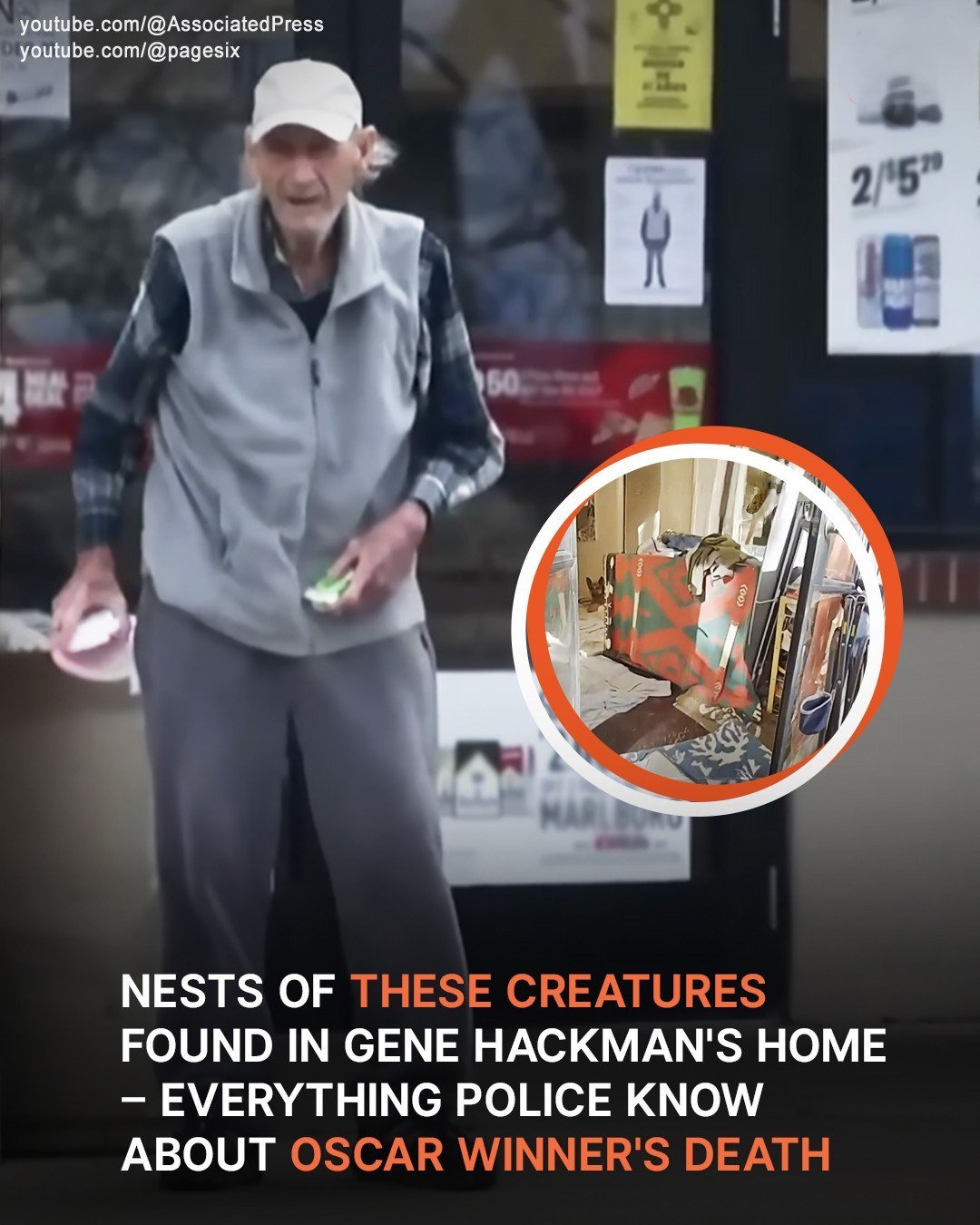
A dead dog in a closet crate, a trail of peculiar nests across the estate, and a series of symptom searches days before the couple died — newly released records have begun to paint a clearer picture of what happened at the Santa Fe home of Gene Hackman and his wife, Betsy Arakawa. Their deaths, initially cloaked in mystery, have now become part of a larger investigation involving environmental hazards and private legal disputes.
Court-ordered disclosures revealed details collected through police reports, environmental inspections, and legal filings. These documents offer insight into the unfolding events at the secluded estate, while the case now moves through legal proceedings over the release of further sensitive materials.
In response to public records requests, Santa Fe County released redacted documents following a judge’s order. Officials emphasized the importance of balancing transparency with the family’s right to privacy. While images of the bodies were sealed, other materials like environmental assessments and police body cam footage were cleared
Deputies first responded to the property in late February. Inside the home, Arakawa was found deceased in the bathroom, her German shepherd sitting silently nearby. In a walk-in closet, officers discovered the body of their 12-year-old Australian Kelpie, Zinna, in a pet crate. Hackman was found collapsed in the mud room. Investigators noted signs of sudden death, including red and purple extremities and his walking cane nearby. One deputy reported the house smelled of gas.
On March 5, the Department of Health conducted a risk assessment of the property’s multiple outbuildings. Investigators found extensive rodent activity, including feces, nests, and live rodents. Two vehicles on the property also showed signs of infestation. The main house, however, was considered low risk. A health assessment confirmed that responders and family members were not at risk.
Further investigation into Arakawa’s digital activity showed a pattern of online health-related searches between February 8 and February 12. She researched flu symptoms, nosebleeds, oxygen therapies, and whether COVID-19 could cause similar issues. She canceled a massage appointment on February 11, citing Hackman’s flu-like symptoms. Records show she contacted a medical concierge service but missed their return call.
Ultimately, Arakawa’s death was attributed to hantavirus pulmonary syndrome — a rare, often deadly illness caused by exposure to rodent waste. Environmental conditions at the property’s outbuildings supported the conclusion. Hackman also exhibited signs of illness before his death.
Zinna’s death was determined to be from starvation and dehydration. These findings sparked legal efforts by Arakawa’s mother, Yoshie Feaster, to block the release of further footage and images. Feaster emphasized the couple’s commitment to privacy and argued that releasing graphic content would cause unnecessary trauma. The court upheld the decision to keep body images sealed but allowed certain redacted documents to be released.

 Daily Feed