 Daily Feed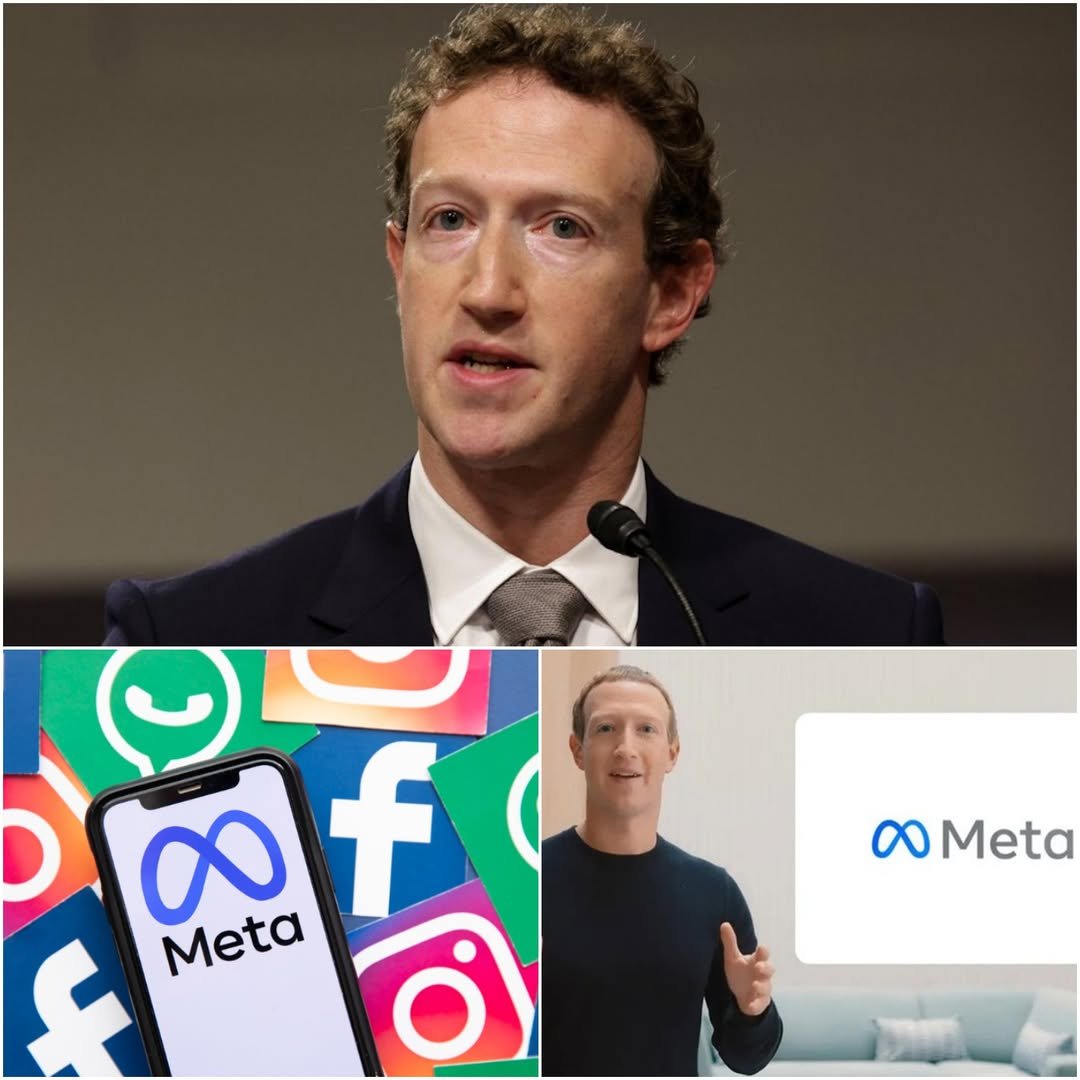
In a bold new move that’s sending ripples across the tech world, Meta CEO Mark Zuckerberg has unveiled a groundbreaking vision for the future of the internet. The company’s latest initiative marks a turning point in digital evolution, promising to reshape how people interact, work, and live online.
Meta, formerly Facebook, has long positioned itself at the forefront of innovation, but its latest pivot into immersive online experiences is being called nothing short of revolutionary. During a recent keynote address, Zuckerberg shared Meta’s renewed focus on creating a deeply integrated online ecosystem powered by AI, augmented reality (AR), and the metaverse.
The Vision That Surprised Even Zuckerberg
According to insiders, the new direction is not just a step forward — it’s a leap. Zuckerberg himself reportedly expressed surprise at how quickly technology has evolved to support this ambitious transformation. “We are on the verge of something historic,” he said. “The future is no longer years away — it’s unfolding now.”
Meta’s goal is to blend virtual and physical realities more seamlessly than ever before. This includes launching advanced AR wearables, expanding Horizon Worlds, and integrating AI companions into social and professional spaces. The aim? To make the digital world feel more real, personal, and productive.
The Meta Revolution: What’s Changing?
At the core of Meta’s new strategy is a reimagined metaverse experience — one that is not limited to gaming or entertainment, but applicable to education, commerce, health, and daily communication. Key elements include:
- AI-Driven Virtual Assistants: Personalized AI bots to help users manage tasks, learn new skills, and collaborate in real-time.
- AR Integration in Daily Life: Smart glasses and AR overlays to enhance navigation, communication, and even shopping.
- Decentralized Digital Spaces: More control for users over their data, digital identity, and virtual environments.
Why You Can’t Afford to Ignore It
Businesses, educators, and creators are being encouraged to adopt Meta’s tools early to stay competitive in a rapidly evolving digital landscape. The shift toward a hybrid reality opens doors for innovation across industries. From virtual storefronts to AI-enhanced classrooms, the applications are endless.
Experts say this is more than a trend — it’s a paradigm shift. “We’re not just consuming content anymore,” said a Meta spokesperson. “We’re creating and living in it.”
Final Thoughts
As Meta pushes the boundaries of what’s possible online, the world is watching closely. Zuckerberg’s vision may have started as a tech fantasy, but it’s quickly becoming a reality. This online revolution is not just Meta’s transformation — it could be ours too.
