 Daily Feed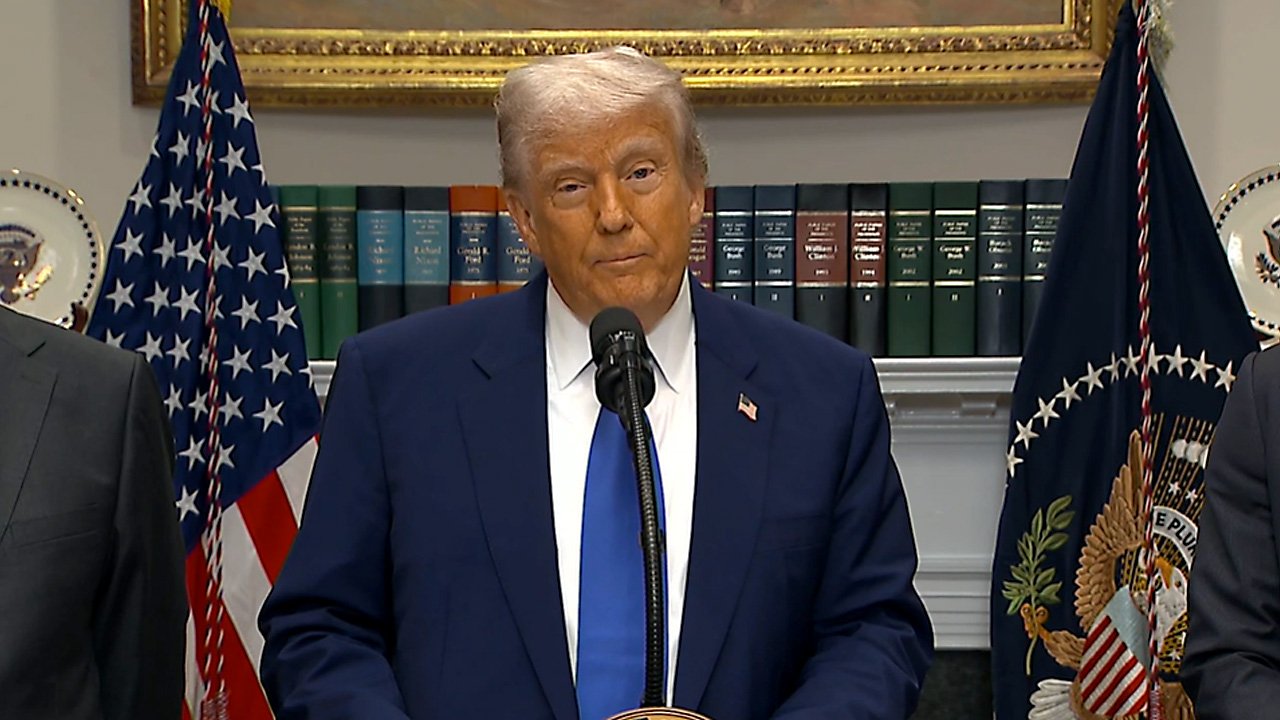
On May 12, 2025, President Donald Trump announced a sweeping executive order designed to significantly reduce prescription drug prices in the United States. The order mandates that pharmaceutical companies lower drug costs by 30% to 80% within 30 days, or face the implementation of a “Most Favored Nation” pricing policy, aligning U.S. drug prices with the lowest prices paid by other wealthy nations.
Key Provisions of the Executive Order
- Direct Price Reductions: Pharmaceutical companies are required to negotiate directly with the federal government to lower prices. If negotiations fail, the government will implement the “Most Favored Nation” policy
- Oversight and Enforcement: The Department of Health and Human Services (HHS), led by Secretary Robert F. Kennedy Jr., will oversee the implementation. The Department of Justice and the Federal Trade Commission are encouraged to pursue enforcement actions against companies that do not comply.
- Impact on Medicare and Medicaid: The initiative aims to provide significant cost reductions for nearly 150 million Americans covered by Medicare and Medicaid.
Industry Reactions
The Pharmaceutical Research and Manufacturers of America (PhRMA) criticized the executive order, warning that it could harm innovation and increase reliance on foreign sources for drugs. The organization argued that the policy might lead to shortages and reduce the incentive for companies to develop new treatments.
Market Impact
Financial markets reacted swiftly to the announcement. Shares of pharmaceutical companies like Pfizer and Merck saw gains, while stocks of pharmacy benefit managers (PBMs) and drug distributors, such as CVS Health and Cigna, experienced declines. The move has led to a reevaluation of the pharmaceutical supply chain and pricing structures in the U.S
Looking Ahead
President Trump emphasized that this executive order is part of a broader effort to overhaul the U.S. drug industry. The administration plans to continue pushing for reforms aimed at reducing drug costs and increasing transparency in the pharmaceutical market. The 30-day deadline for price reductions marks the beginning of what could be a significant transformation in how Americans access and pay for prescription medications.
