 Daily Feed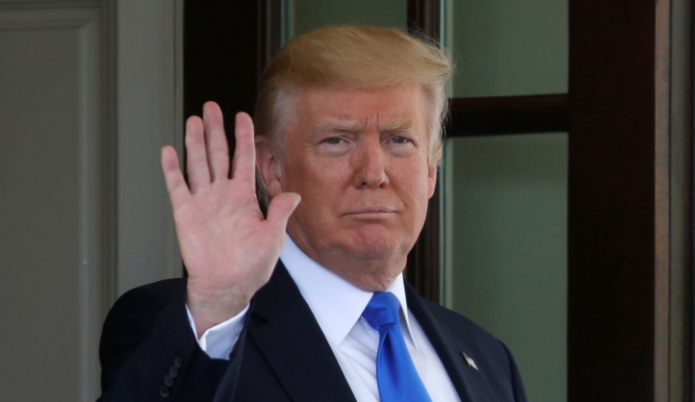
The plan won’t be limited to Medicare prescriptions but will also target medications covered by Medicaid and private insurance. Weight-loss drugs are expected to be on the list.
President Donald Trump signed a sweeping executive order Monday that aims to cut prescription drug costs in the U.S. by aligning what the government pays for certain medications to the prices paid in other countries.
The order, experts say, is a reimagined and far more aggressive version of Trump’s policy during his first term to cut drug costs, which failed to take effect after a federal judge blocked it.
Like the original policy, health policy experts expect it will meet significant pushback from the drug industry.
The new order directs Health and Human Services Secretary Robert F. Kennedy Jr. to come up with price-cutting goals within 30 days, White House officials said on a call Monday. The move will kick off a round of negotiations between Kennedy and the drug industry.
Should talks stall, Kennedy will move to enforce the “most favored nation” pricing model, capping the U.S. prices at the lowest rates paid by other wealthy nations.
Most notably, officials said the policy will not be limited to certain drugs under Medicare, as it was in original version, but will also target medications covered by Medicaid and private insurance.
“I’m doing this for the American people,” Trump said at the White House discussing the executive order. “I’m doing this against the most powerful lobby in the world probably, the drug lobby.”
Weight-loss drugs expected to be targeted
The administration hasn’t singled out a specific class of drugs for price cuts, but officials said it’s fair to expect that GLP-1s — a class of drugs that includes Ozempic, Wegovy and Zepbound — will be included among them. Last month, the administration rejected a Biden-era proposal for Medicare to cover weight loss drugs. The move would have saved patients money but cost the government about $25 billion over 10 years.
The Food and Drug Administration will also consider expanding the importation of prescription drugs from countries beyond Canada, where prices are often cheaper than in the U.S, officials said, and the Department of Justice and the Federal Trade Commission will be directed to act against “anti-competitive” actions by drugmakers that they say keep drug prices high.
