 Daily Inspire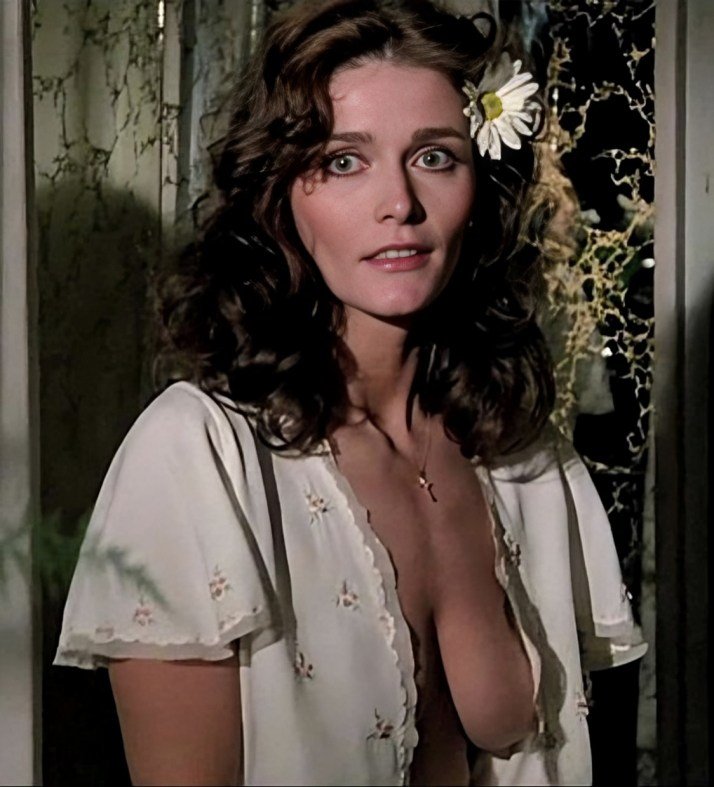
The Face That Defined an Era
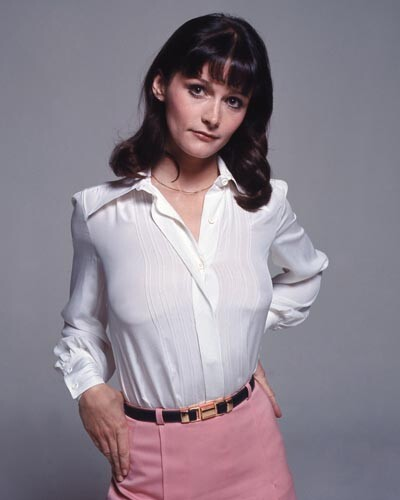
If you were a young man in late ’70s America, chances are Margot Kidder lived rent-free in your mind. She had that effortlessly magnetic look—soft, romantic features, expressive eyes, and a playful grin that made her more than just another Hollywood beauty. She felt real, approachable, and still totally out of reach. She wasn’t trying to be a symbol—she just was.
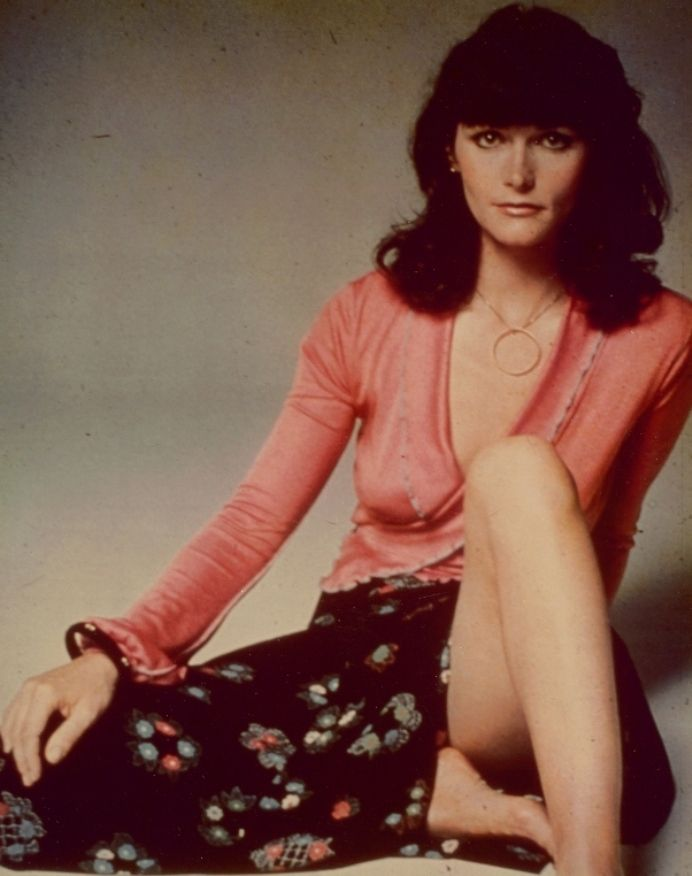
When Margot stepped into the role of Lois Lane in Superman: The Movie (1978), she didn’t just play a character—she became the blueprint. She gave Lois strength, sass, vulnerability, and heart. Audiences instantly fell for her, and it wasn’t just Clark Kent feeling the love.
But behind that iconic smile was a complicated woman fighting battles no cape could fix.
Hollywood’s Sweetheart with an Edge
What made Margot Kidder stand out in an industry overflowing with polished starlets? She was raw, fearless, and utterly unfiltered. Whether she was acting opposite Christopher Reeve or starring in cult horror hits like The Amityville Horror, Margot brought emotional weight to every role. She didn’t fake it. She felt it.
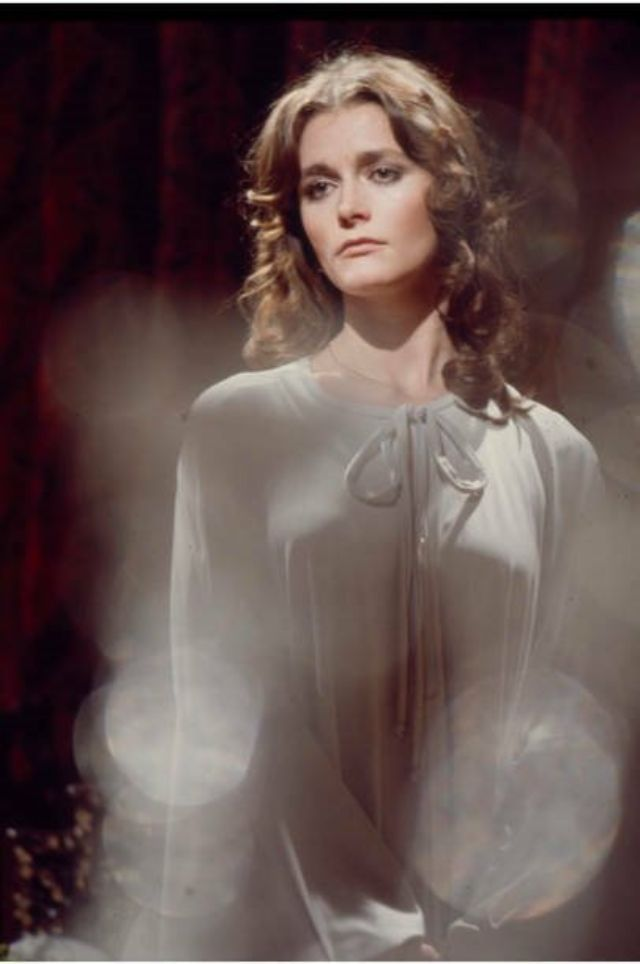
She had the kind of on-screen energy that couldn’t be taught. She wasn’t “Hollywood pretty” in the traditional sense—she was captivating. Her confidence wasn’t loud; it was lived-in. Her charm wasn’t rehearsed; it was real.
And that realness is what made her unforgettable.
Video: Margot Kidder s*xy rare photos and unknown trivia facts
The Height of Fame—And the Weight That Came With It
During the late ’70s and early ’80s, Margot was riding high. She had blockbuster success, critical acclaim, and international recognition. She wasn’t just Lois Lane—she was the Lois Lane. Every girl wanted to be her. Every guy wanted to date her. But the pressure of fame wasn’t something she craved. In fact, it quietly chipped away at her.

Behind the camera, Margot was battling something much more intense than a movie villain: bipolar disorder. The world saw the glam, the lights, the red carpets. What they didn’t see were the years of emotional turmoil, the episodes that came without warning, and the fear of being judged or discarded because of her mental health.
A Public Breakdown That Changed Everything
In 1996, headlines exploded with Margot’s name—but this time, it wasn’t about a movie role. She had gone missing for several days and was later found in distress, living on the streets of Los Angeles. It was a tragic, public unraveling that shocked fans and left the media in a frenzy.

 Daily Feed