 Daily Feed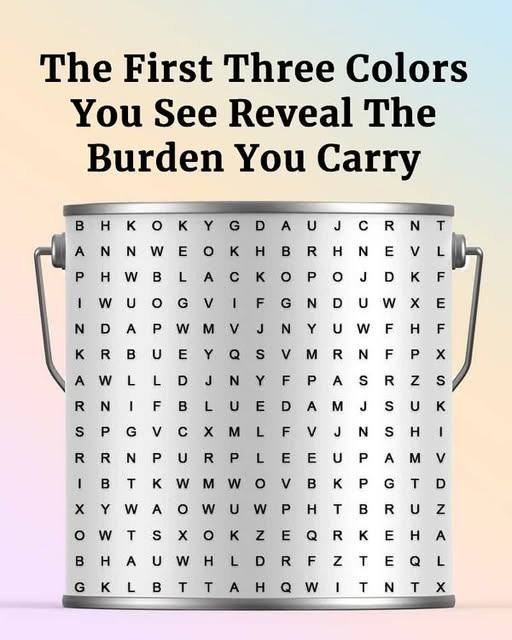
The Chromatic Mirror: Understanding Emotions Through Color
Introduction: The Emotional Language of Color
Colors are more than visual cues—they are psychological messengers, subtly reflecting our emotional state. The idea that the first three colors we perceive can reveal our emotional burdens invites us to explore the deep link between color perception and inner psychology.
The Psychology of Color Perception
Color perception is shaped by our brains, emotions, and cultural backgrounds. It’s not just about seeing, but about feeling and interpreting.
- Red suggests suppressed intensity—anger, passion, or conflict.
- Blue reflects emotional depth, sadness, or the need for healing.
- Purple symbolizes transformation and internal struggle.
- How Color Speaks Emotionally
- Colors evoke emotions through:
- Associative memory (color linked with past experiences)
- Subconscious processing
- Neurological responses in color-sensitive brain areas
- Cultural Nuances
- Color meanings vary:
- White = purity in the West, mourning in the East
- Red = luck in China, danger in the West
- Using Color for Self-Discovery
- Notice which colors catch your eye
- Reflect on how they make you feel
- Journal or create art to explore those emotions
- Use color in therapy or mindfulness
- Science and Innovation
- New research connects color with emotional healing:
- Mindfulness can improve color-emotion awareness
- Color exposure affects hormone levels and mood
- AI and AR tools are being developed for personalized color therapy
- Development, Genetics & Trauma
- Infants recognize colors early—this shapes cognition
- Genes influence how we perceive and react to colors
- Color can trigger or soothe trauma responses in therapy
- Philosophical and Global Perspectives
- From Aboriginal spirituality to Tibetan meditative color use, many cultures view colors as energetic, symbolic forces. Language also shapes how we perceive and categorize color.
- Conclusion: A Colorful Inner Dialogue
- Colors are a bridge between our inner world and external experiences. They reflect emotion, invite introspection, and offer healing. Every color you notice is a whisper from your subconscious—listen, and you might understand yourself more deeply.
