 Daily Inspire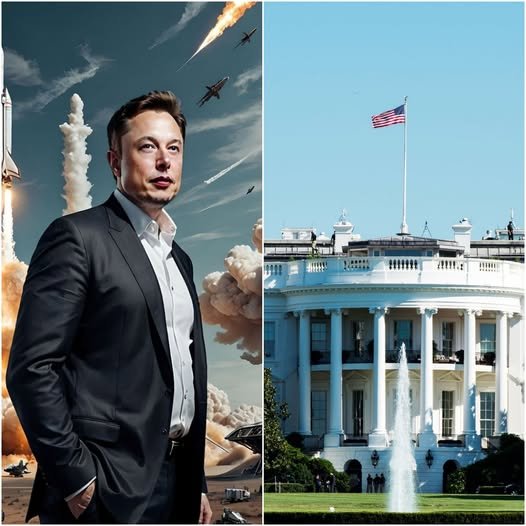
Elon Musk, once hailed as a visionary pushing humanity toward Mars and revolutionizing transportation, has found himself at the center of a firestorm, earning the dubious title of “most despised man on Earth” among Washington, D.C.’s political elite. The billionaire CEO of Tesla, SpaceX, and The Boring Company, known for his audacious dreams and relentless innovation, is facing unprecedented backlash as lawmakers, regulators, and critics in the nation’s capital openly voice their disdain. From regulatory battles to controversial statements, Musk’s fall from grace in D.C. has sparked a heated debate about his influence and the cost of his unrelenting ambition.
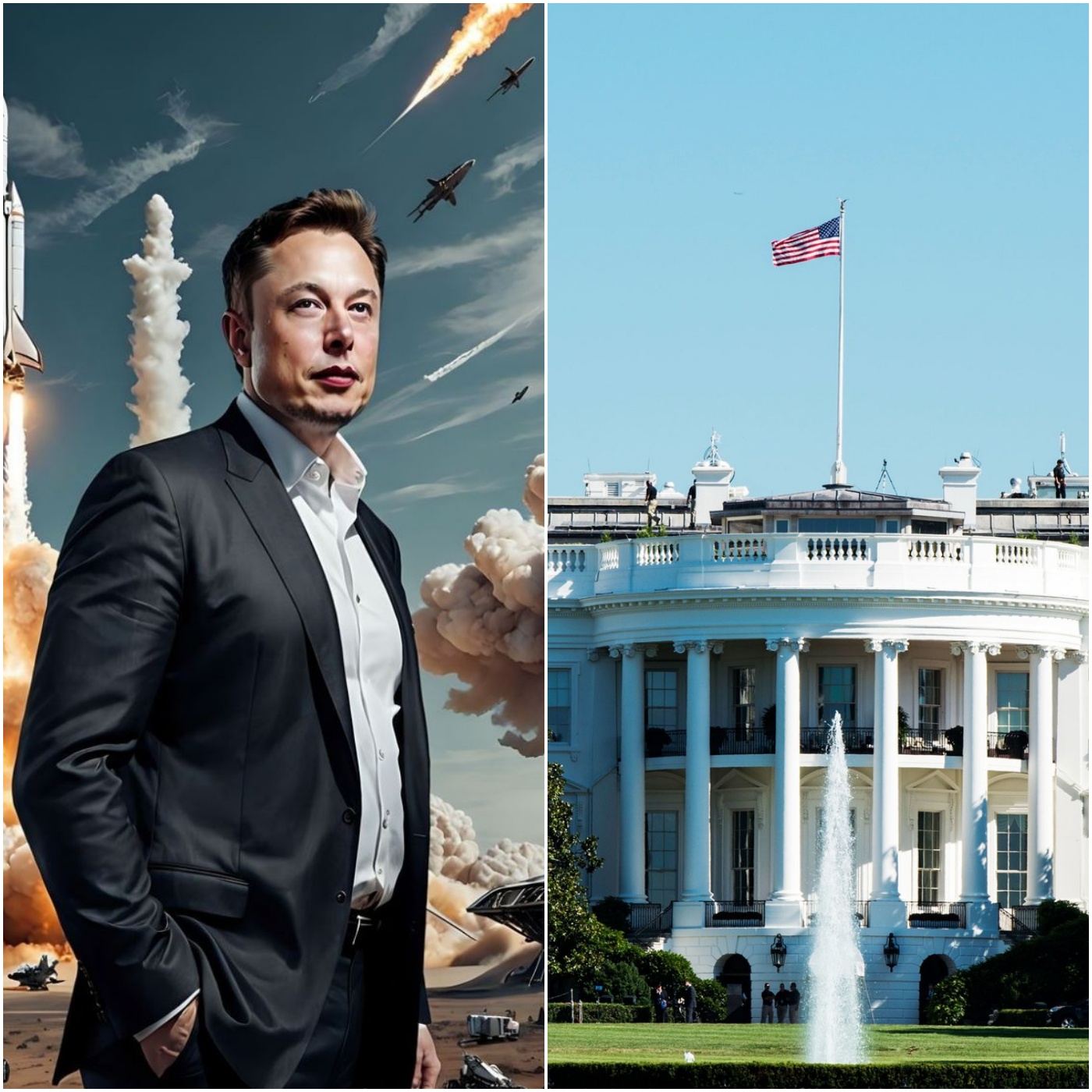
The turning point came in early 2025, as Musk’s growing political involvement and outspoken presence on X collided with federal priorities. His vocal criticism of government inefficiency, coupled with his push for deregulation to accelerate projects like SpaceX’s Mars missions and The Boring Company’s hyperloop tunnels, has ruffled feathers in Congress. Lawmakers from both sides of the aisle have accused Musk of overstepping, with one prominent senator declaring during a Capitol Hill hearing, “Elon Musk thinks he’s above the law, but he’s a nightmare for accountability.” The sentiment reflects a broader frustration with Musk’s perceived disregard for bureaucratic norms and his ability to sway public opinion.
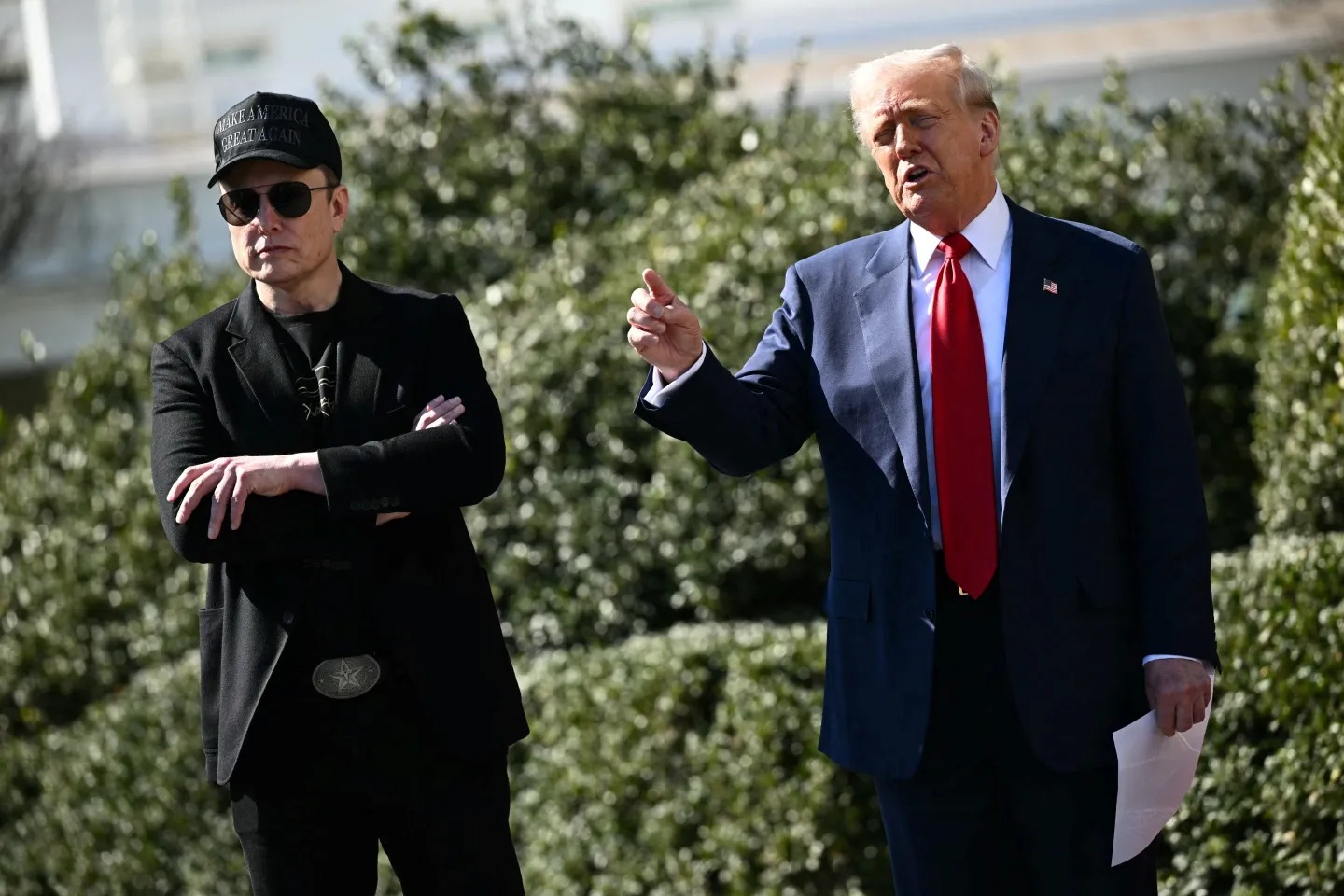
Musk’s legal troubles have only fueled the fire. The National Highway Traffic Safety Administration (NHTSA) has intensified scrutiny of Tesla’s Full Self-Driving (FSD) technology, citing safety concerns after a series of high-profile crashes. The Securities and Exchange Commission (SEC) is also investigating Musk’s X activities for potential market manipulation, while the Federal Aviation Administration (FAA) has clashed with SpaceX over launch regulations. These battles have painted Musk as a reckless maverick in D.C.’s eyes, with critics arguing his companies prioritize profit over public safety. A House representative didn’t mince words, stating, “Musk’s dreams of Mars don’t excuse his chaos here on Earth.”
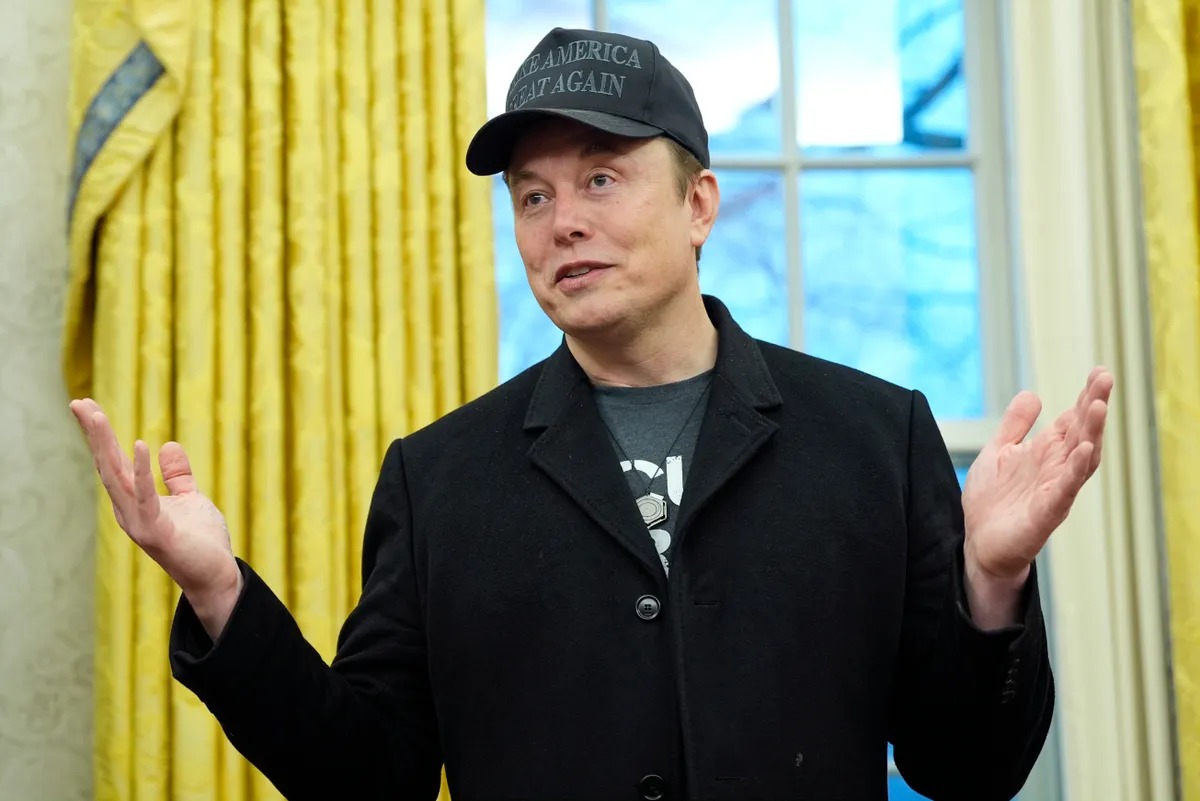
Beyond policy, Musk’s polarizing persona has made him a lightning rod. His posts on X, often blending humor, provocation, and political commentary, have alienated many in D.C. who view him as a divisive figure undermining democratic norms. His public feuds with regulators and lawmakers, including calling out specific officials, have led to accusations of arrogance. “He’s not just a billionaire; he’s a bully,” one congressional aide remarked anonymously, echoing a growing sentiment that Musk’s influence is a double-edged sword. His recent alignment with controversial political figures has further cemented his image as a liability in the capital.
Social media, particularly X, has amplified the drama, with #MuskNightmare trending as users debate his legacy. Supporters argue he’s a misunderstood genius, unfairly targeted for challenging the status quo. “D.C. hates Elon because he exposes their incompetence,” one fan posted. Critics, however, see him as a symbol of unchecked power, with one user quipping, “From Mars dreams to Earth’s villain—quite the plot twist.” The polarized reactions underscore Musk’s ability to dominate discourse, even as his reputation takes a hit.
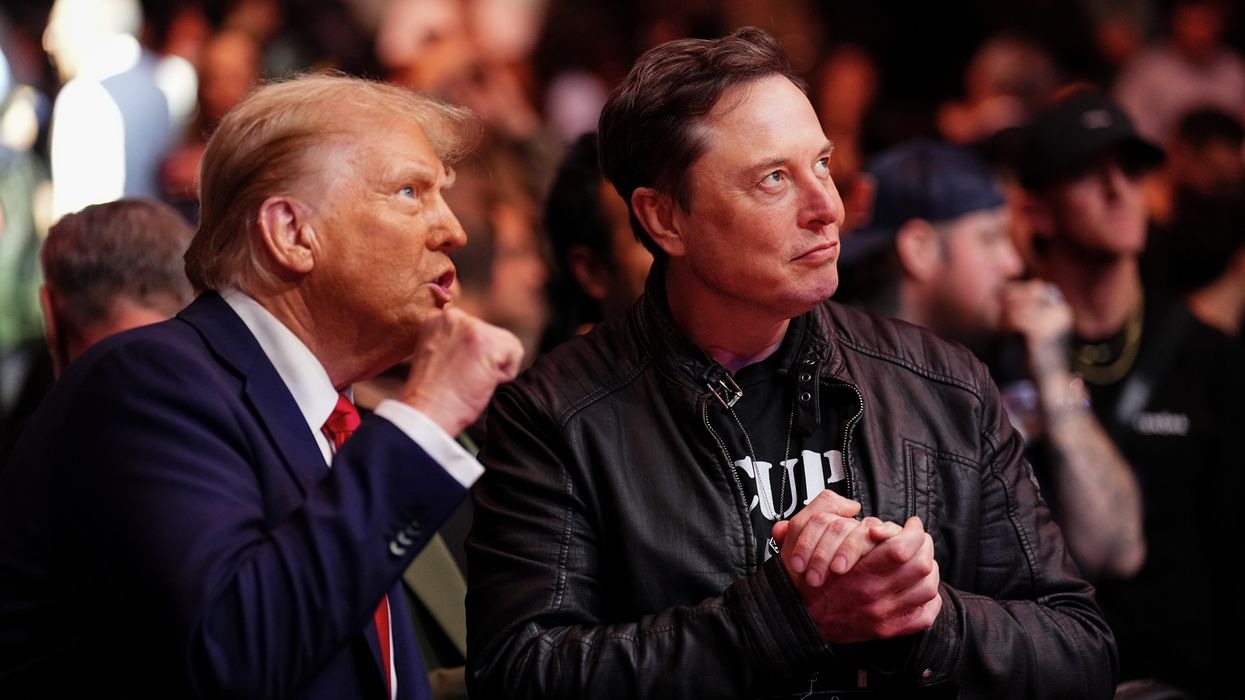
For Musk, the D.C. backlash is a stark contrast to his earlier days as a celebrated innovator. His companies still command global influence, with Tesla leading electric vehicles and SpaceX revolutionizing space travel. Yet, the mounting federal scrutiny and public criticism signal a precarious moment. Will Musk double down, as he often does, or seek to mend fences with the establishment? As Washington’s rhetoric grows louder, one thing is clear: the man who once inspired awe with visions of colonizing Mars now faces a terrestrial nightmare of his own making. The battle between Musk and D.C. is far from over, and the world is watching to see who blinks first.

 Daily Feed