 Daily Feed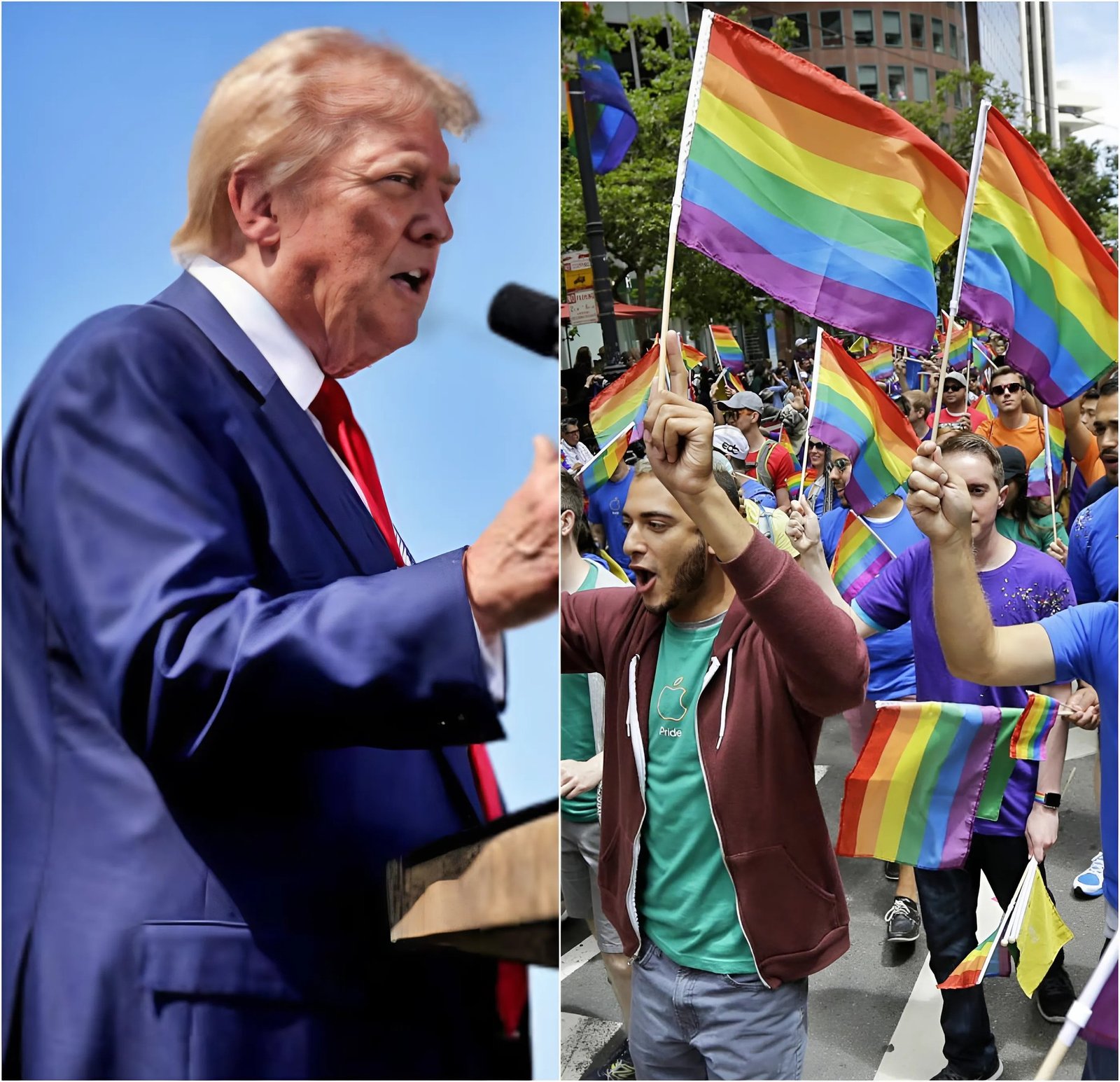
JUST IN: Australian LGBTQ+ Community Banned from Attending World Pride 2025 for Specific Reason in USA
Washington D.C., May 7, 2025 — In a move that has sent shockwaves through the global LGBTQ+ community, organizers of World Pride 2025, set to be hosted in New York City, have reportedly denied participation to several Australian LGBTQ+ groups, citing “visa inconsistencies and national security protocols” enforced by U.S. immigration authorities.
The decision, confirmed late Monday by two officials involved in the international coordination committee, is already sparking outrage and accusations of political bias, with critics calling the move a “thinly veiled exclusion” under the guise of bureaucracy.
A Quiet Ban That Turned Loud
According to sources close to the Australian delegation, at least four prominent LGBTQ+ organizations, including Sydney Queer Collective and Melbourne Pride Front, were notified by U.S. consulates last week that their visa applications had been “denied due to irregular travel activity and concerns over group coordination.”
The notice, seen by several Australian media outlets, referred to “administrative flags” without specifying any criminal or procedural wrongdoing.
“These are peaceful community leaders, artists, performers — people who’ve attended past World Prides without incident,” said Alex Tan, a representative from the Australian Human Rights Network. “There’s no logic here unless we’re ready to admit something darker is at play.”
U.S. Response: ‘Security First’
While the World Pride 2025 organizing committee has not issued an official statement, a spokesperson from the U.S. Department of State responded to press inquiries Tuesday by saying that entry to the United States is subject to national security evaluations, especially during high-profile events.
“Each visa application is reviewed individually,” the spokesperson said. “There is no blanket ban on any nationality or community. However, patterns of concern may arise based on travel affiliations and recent incidents.”
No further detail was offered regarding what those “patterns of concern” involved.
But LGBTQ+ activists are not buying it.
Accusations of Discrimination
Social media platforms erupted overnight with the hashtag #LetThemMarch, as supporters from around the world decried the decision as discriminatory and politically motivated, especially considering Australia’s historic contributions to global Pride movements.
“It’s ironic, isn’t it?” tweeted LGBTQ+ rights advocate Jonathan King. “World Pride is supposed to be inclusive, borderless, and unifying. But now it’s enforcing invisible borders within communities themselves.”
Several activists pointed out that similar visa denials were not reported from other countries with comparable travel or political profiles, raising suspicions about targeted scrutiny toward Australian queer groups, particularly those critical of recent Western foreign policy.
Diplomatic Fallout?
Australian Foreign Minister Penny Wong, herself a prominent LGBTQ+ figure, expressed “deep disappointment” at the reports and said the Department of Foreign Affairs and Trade (DFAT) was seeking urgent clarification from its U.S. counterpart.
“If these exclusions are based solely on bureaucratic technicalities, they must be resolved immediately,” Wong said at a press conference in Canberra. “But if this signals a deeper shift in how our citizens are treated based on identity or affiliation, it raises serious questions.”
Some Australian senators have gone further, calling for a temporary suspension of diplomatic participation in World Pride until full transparency is provided.
What Happens Now?
World Pride 2025, themed “United in Diversity”, is expected to draw over two million attendees from across the globe. The event is set to kick off in late June with a series of cultural performances, marches, and policy forums centered on queer rights, inclusion, and cross-border solidarity.
But with a growing list of exclusions and a silence from major U.S. organizers, the message of unity appears more fragile than ever.
For many Australians, the ban feels like a betrayal.
“We’re not just being denied entry,” said Em O’Hara, a trans advocate from Brisbane whose group’s visa was denied. “We’re being told, in the quietest yet loudest way possible, that our voices don’t matter on the global stage. And that hurts.”
