 Daily Posts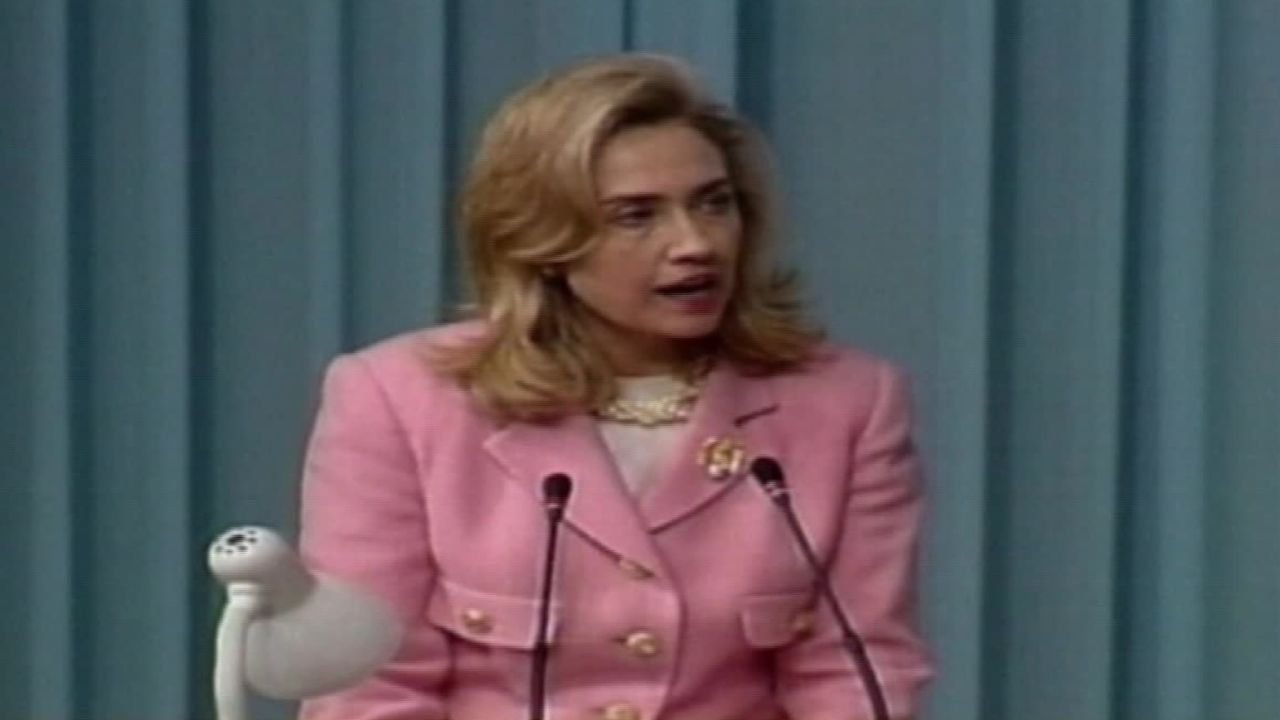
Long before the Senate, the State Department, or presidential debates—
Hillary Clinton made headlines with a single speech at age 21.
It was 1969, and she was the first student ever to give a commencement speech at Wellesley College.
Scheduled to follow U.S. Senator Edward Brooke, she chose not to play it safe.
Instead, she challenged his remarks on civil disobedience and the pace of change.
Her speech drew national attention—Life magazine featured her, and reporters took notice.
She was calm, articulate, and forceful—traits that would define her career.
Even then, she spoke of policy, justice, and moral responsibility—not platitudes.
It was rare in 1969 for a young woman to so publicly disagree with a senator.
Clinton’s boldness won standing ovations—and some criticism.
But the moment marked her arrival on the national stage.
She wasn’t just “Bill’s future wife”—she was a rising star in her own right.
That speech would echo in her later campaigns: clear, determined, and unafraid.
Hillary had already interned with civil rights lawyer Marian Wright Edelman.
She turned down a job offer from NASA, which told her: “We don’t take girls.”
She went on to Yale Law School, joining a rare group of women in the class.
Later, she worked on the Watergate investigation team.
But that spark—that Wellesley firebrand moment—remained a turning point.
Hillary Clinton’s path didn’t start in the White House—it started at a podium.
One speech, one stand—and a lifetime of breaking barriers began.

 Daily Feed