 Daily Feed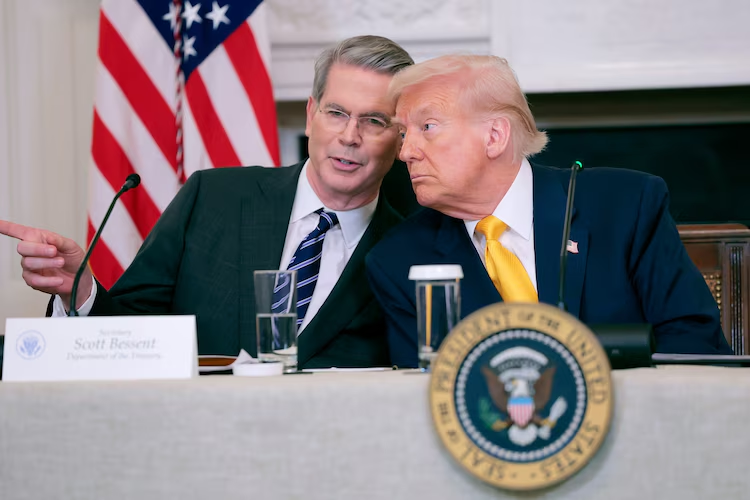
Executives at major corporations, including Target, Goldman Sachs and Pepsi, have invoked the same one-word boogeyman on recent earnings calls: “Uncertainty.”
Concern among companies big and small about the unsteady business environment has centered on President Donald Trump’s tariff policies, which the White House has altered numerous times since Trump took office.
A pair of court rulings last week thru
That paralysis risks sapping momentum from the economy and tipping the U.S. into a downturn, they added, while acknowledging the ultimate outcome remains unclear.
“These pretty significant policy changes – whether they’re coming out of the administration or the courts – can have a big financial impact on companies,” Gregory Brown, a finance professor at the University of North Carolina, told ABC News. “Profits can turn to losses, and vice versa.”
“It has to be nerve-racking for people on the front lines of this in terms of having their businesses or jobs highly affected,” Brown added.
The Trump administration has rebuked criticism of its on-again, off-again tariff approach, saying the flexibility affords White House officials leverage in trade negotiations with countries targeted by the levies.
Speaking to ABC News’ “Th
In the meantime, a host of major companies have warned that they may suffer losses due to the lack of clarity.
Target CEO Brian Cornell last month warned of “massive potential costs” due to tariffs, lamenting difficulties posed by “the rates we’re facing and the uncertainty about how these rates in different categories might evolve.”
In April, Goldman Sachs CEO David Solomon voiced alarm about possible damage that could result from the murky outlook.
“This uncertainty around the path forward and fears over the potentially escalating effects of the trade war have created material risks to the U.S. and global economy,” Solomon told analysts.
A survey of CEO confidence fell to its lowest level since 2022, the Conference Board found last month. More than half of CEOs expect conditions to worsen over the next six months, the survey said.
is Week” in April, Treasury Secretary Scott Bessent described the posture as “strategic uncertainty.”
“You’re not going to tell the person on the other side of the negotiation where you’re going to end up. And nobody’s better at creating this leverage than President Trump,” Bessent said.
st Trump’s steepest tariffs into limbo, adding another layer of uncertainty as federal appeals court judges determine whether a major swath of the policies pass legal muster.
In response to the tariff shifts, many U.S. companies have opted to put hiring and investment plans on hold out of fear that a fresh levy could otherwise spark regret, experts told ABC News.
