 Daily Posts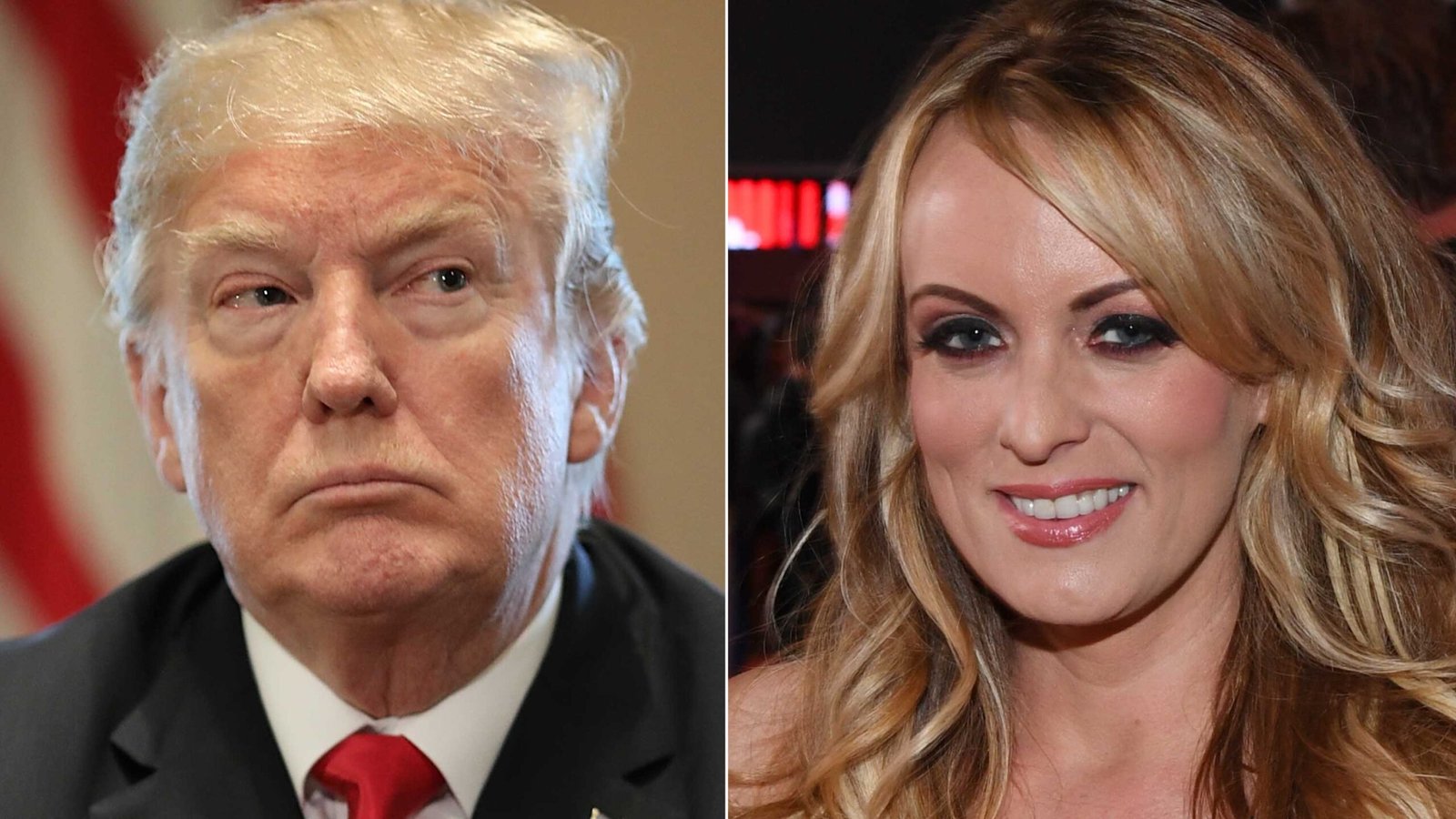
In 2018, the name Stormy Daniels became a headline fixture, tied closely to one of Donald Trump’s most controversial scandals.
The adult film actress alleged an affair with Trump in 2006, shortly after the birth of his youngest son.
Trump denied the affair, but his former lawyer, Michael Cohen, admitted paying Daniels $130,000 in hush money.
The payment was made just weeks before the 2016 presidential election.
Critics argued that this was a violation of federal campaign finance laws.
Cohen claimed the payment was intended to protect Trump’s campaign from damage.
In 2018, Cohen pleaded guilty to campaign finance violations and other charges.
He stated under oath that he made the payment “in coordination with and at the direction of” Donald Trump.
The Department of Justice investigated the matter but did not pursue charges against Trump while he was in office.
Trump has repeatedly dismissed the case as a political witch hunt.
Daniels, whose real name is Stephanie Clifford, sued Trump for defamation after he mocked her claims.
The lawsuit was dismissed, and she was ordered to pay Trump’s legal fees.
Despite this, the issue remained in the public eye.
In 2023, Trump was indicted in New York for falsifying business records related to the payment.
This marked the first time a former U.S. president faced criminal charges.
The indictment triggered widespread media coverage and polarized reactions.
Supporters claimed it was politically motivated persecution.
Critics viewed it as long-overdue accountability.
The case added to Trump’s growing list of legal troubles.
It also reignited debates about ethics and transparency in politics.
As of 2025, Trump continues to deny all wrongdoing.
He remains a dominant figure in the Republican Party.
The Stormy Daniels scandal illustrates how personal actions can have profound political consequences.

 Daily Feed