 Daily Posts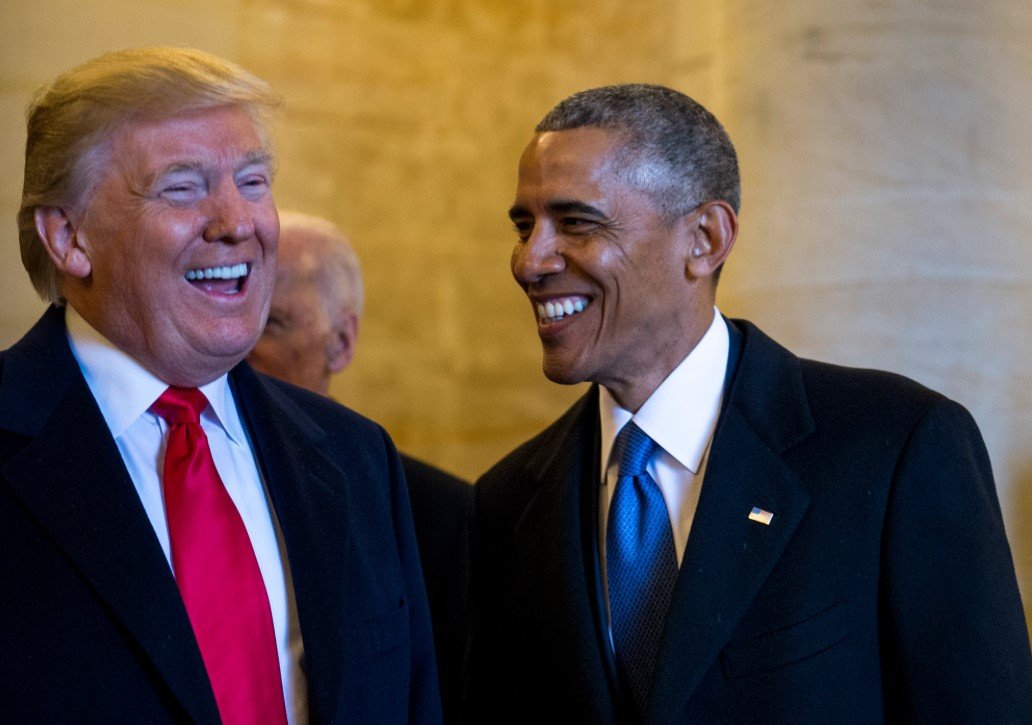
When discussing modern American politics, two figures often dominate the conversation: Barack Obama and Donald Trump. Each brought a distinct style, vision, and set of priorities to the presidency. While comparisons are inherently subjective, examining their achievements side by side offers insights into their respective political impacts. Below are 32 lines comparing notable accomplishments and initiatives from both leaders.
Barack Obama passed the Affordable Care Act, expanding health insurance to over 20 million Americans.
Donald Trump passed the Tax Cuts and Jobs Act, lowering corporate tax rates to stimulate economic growth.
Obama ended the U.S. combat mission in Iraq and focused on winding down involvement in Afghanistan.
Trump negotiated the Abraham Accords, normalizing relations between Israel and several Arab nations.
Obama rescued the auto industry with a bailout plan, saving jobs and stabilizing the economy.
Trump presided over record-low unemployment rates before the COVID-19 pandemic.
Obama created the DACA program, protecting undocumented immigrants brought to the U.S. as children.
Trump focused on immigration enforcement and built over 450 miles of border barriers.
Obama earned a Nobel Peace Prize in 2009 for his vision of nuclear disarmament and diplomacy.
Trump was the first sitting U.S. president to meet North Korean leader Kim Jong-un.
Obama signed the Lilly Ledbetter Fair Pay Act to promote gender pay equity.
Trump appointed a record number of federal judges, reshaping the judiciary.
Obama expanded environmental regulations to combat climate change, including the Clean Power Plan.
Trump withdrew from the Paris Climate Agreement, prioritizing energy independence.
Obama supported same-sex marriage and repealed “Don’t Ask, Don’t Tell.”
Trump promoted religious freedom and expanded protections for religious organizations.
Obama invested in renewable energy and clean tech through stimulus packages.
Trump rolled back environmental regulations to reduce constraints on industry.
Obama normalized relations with Cuba, reopening embassies after 50 years.
Trump imposed sanctions on adversarial nations, reinforcing a hardline foreign policy.
Obama supported net neutrality to preserve an open internet.
Trump opposed net neutrality, advocating for less regulation.
Obama launched the My Brother’s Keeper initiative for young men of color.
Trump created the Opportunity Zones program to encourage investment in low-income areas.
Obama promoted science-based policy, supporting the CDC and NIH.
Trump led Operation Warp Speed, expediting COVID-19 vaccine development.
Obama emphasized diplomacy in foreign policy, including the Iran nuclear deal.
Trump prioritized American manufacturing and trade renegotiations, including USMCA.
Obama improved U.S. image abroad, especially in Europe and Africa.
Trump focused on America First, reshaping alliances and trade policies.
Obama relied on consensus-building and traditional political norms.
Trump challenged institutional norms, emphasizing outsider status and directness.
Conclusion:
Both Barack Obama and Donald Trump left indelible marks on American politics, each representing different ideologies, leadership styles, and priorities. Obama focused on diplomacy, social progress, and healthcare reform. Trump emphasized deregulation, nationalism, and economic stimulation. Who is “better” depends on the values and vision one holds for the country, but both undeniably reshaped the political landscape in profound ways.

 Daily Feed