 Daily Posts
Obesity is a complex issue with various underlying causes, and no single approach works for everyone. Understanding where your body stores fat can help you adopt the right strategies for weight management.
Recent research has categorized obesity into distinct groups, shedding light on why different people require different treatment approaches. A study published in the Journal of Public Health examined 4,000 obese adults and classified them into six categories:
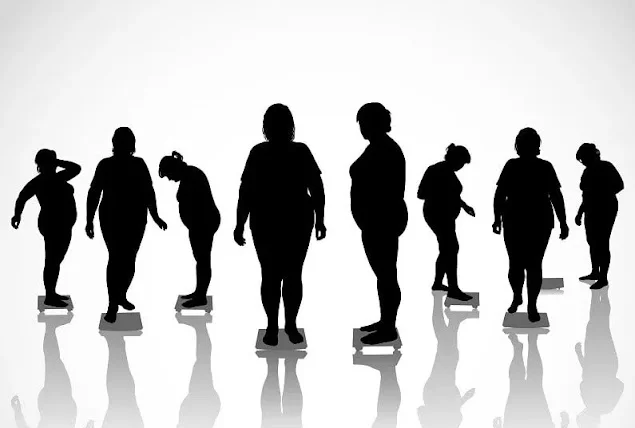
The Six Types of Obesity
- Healthy Young Women – Obese but with minimal health complications like type 2 diabetes.
- Heavy Drinkers – Similar to the first group but characterized by high alcohol consumption.
- Middle-Aged Individuals with Anxiety and Depression – Primarily women in their fifties who struggle with mental health issues.
- Older, Wealthy, and Generally Healthy Individuals – Despite obesity, they maintain good health but may experience high blood pressure and consume more alcohol.
- Older Individuals with Physical Ailments but Positive Mental Health – Suffer from chronic conditions like osteoarthritis but remain mentally well.
- Individuals with Poor Overall Health – Often facing financial struggles and multiple chronic diseases.
This classification highlights the need for personalized weight management strategies. While this is a significant step forward, further research is needed to refine treatment approaches.
Body Fat Distribution: Android vs. Gynoid
Fat distribution patterns vary by gender and genetics:
- Android Fat Distribution – More common in men, leading to an “apple-shaped” body with excess fat around the abdomen.
- Gynoid Fat Distribution – More common in women, resulting in a “pear-shaped” body with fat stored around the hips and thighs.
Types of Obesity and How to Address Them
1. Upper Body Obesity (Android)
Cause: Excess calorie intake and lack of exercise.
Solution: Reduce sugar consumption and engage in at least 30 minutes of daily physical activity. Consulting a healthcare professional can be beneficial.

 Daily Feed