 Daily Inspire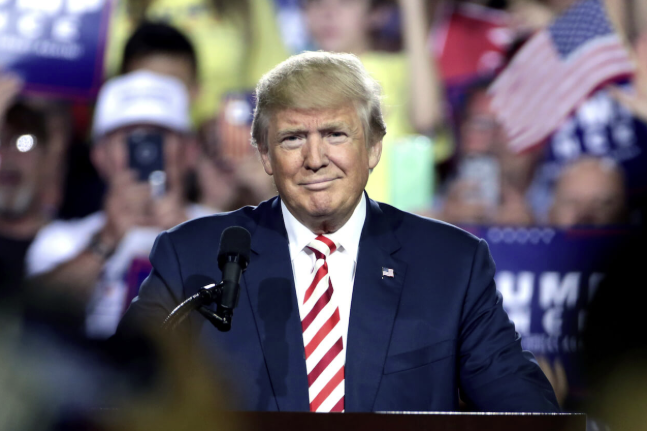
WASHINGTON — Back in Donald Trump’s first term, his staff decided they’d tuck into his briefing book a few letters from ordinary Americans who’d written to the White House.
Only certain letters made the cut, though.
Aides made a point of sending Trump the flattering mail while holding back the letters panning his work, a White House official in the last term said.
“Someone quite rightly thought that if we wanted to have any chance of him reading them consistently, it would be good if they were positive and praiseworthy,” the person said, speaking on condition of anonymity.
All presidents say they want to keep in touch with typical Americans; few succeed. Everything about the job conspires against unscripted encounters that can enlighten a president about what’s truly on people’s minds.
Armed guards shadow him while protective aides may shield him from bad reviews. Even the few souls who pierce the Bubble Wrap and get an audience with the president may find themselves too intimidated by the trappings of power to blurt out an unvarnished truth.
“When you are president, you are in a space where everyone comes to you, and most of them are people you’ve selected to come to you,” said Fred Ryan, who oversaw appointments and scheduling in Ronald Reagan’s White House. “And most people want to bring you good news rather than bad news.”
This time around, Trump is looking and sounding insulated from the voters who put him back in the White House. That’s a problem even for a second-term president who may have run his last campaign. Trump’s political strength flows from an emotional connection to a loyal base. If he’s perceived as oblivious to people’s day-to-day concerns, he’s at risk of losing a vital grassroots connection that is a source of Republican fealty.
“The president since entering politics has showcased a unique way of having his finger on the pulse of the American public,” Harrison Fields, a White House spokesman, said in an interview. “He stays connected through multiple public appearances in Middle America, reading correspondence, being a consumer of the news, and inviting everyday Americans to the White House and to campaign events.”
“While most presidents are driven by staged and stuffy political events, this president has preferred a more organic and authentic approach to connecting with the American people,” Fields added.
Surrounded by wealth
Trump’s travels suggest a homebody on a gilded perch.
By the end of May, he had spent 14 of his 18 weekends at one of his golf clubs or other properties. Over and over, he has returned to his Mar-a-Lago residence, a private club in Palm Beach where the membership fee is $1 million and guests applaud when he enters the restaurant.
Rallies have long been a way for Trump to connect with the “Front Row Joes” and other hardcore voters who travel hundreds of miles and camp out overnight to see him speak live and maybe grab a selfie with him on the rope line. Not having to worry about re-election, he’s cut back on rallies, holding just one since the day he was sworn in, versus four in the opening months of his last term.
“He needs to talk to more regular people and listen to them,” said Christopher Malick, 28, who works at a roofing company in Cleveland and said he voted for Trump in the last three elections. “He needs to be talking to people who aren’t just his inner circle.”
Billionaires run major parts of Trump’s government, and the well-connected get access.

 Daily Feed